Evaluating the Heart Wedding Monogram Typeface for Romantic Design Projects
Understanding the Core Concept
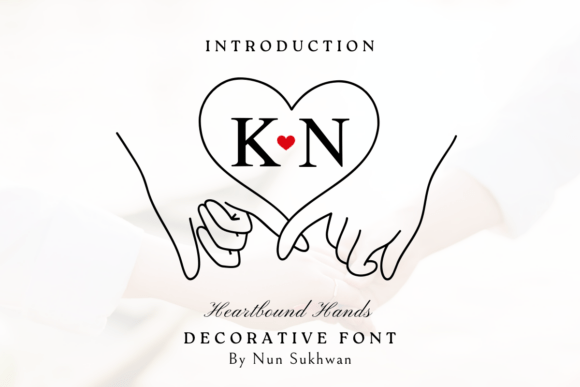
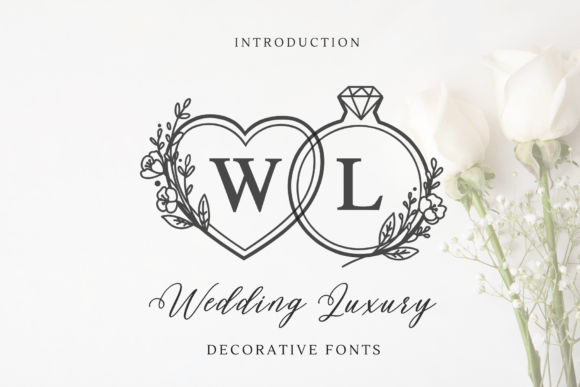
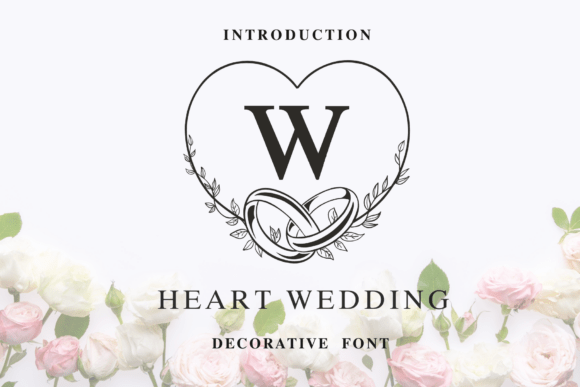
In the specialized niche of event stationery and romantic branding, typography often carries the weight of the message. The Heart Wedding Monogram Typeface is a specific tool designed to address a very particular aesthetic need: the visual representation of love, unity, and celebration through letterforms. Unlike standard serif or sans-serif fonts used for body text, this typeface functions primarily as a decorative element. It is engineered to integrate symbols—specifically hearts, floral wreaths, and intertwined rings—directly into the structure of the characters. For designers and planners, understanding this distinction is the first step in evaluating its utility. It is not a font for writing paragraphs; it is a font for creating focal points.
Design Characteristics and Visual Language
The primary strength of the Heart Wedding font lies in its ornamental complexity. The glyphs are constructed to be visually rich, utilizing curves and flourishes that mimic the elegance of hand-drawn calligraphy or engraving. The inclusion of floral motifs and rings suggests a deliberate move away from minimalist modernism, aiming instead for a traditional or classic wedding aesthetic. This makes it particularly effective for themes involving vintage, garden, or black-tie events. The visual density of the characters means they command attention, which is precisely what is required for monograms on invitations or signage. However, this density also dictates that the font should be used at larger display sizes where the intricate details can be appreciated without becoming cluttered.
Practical Applications and Workflow Integration
From a practical standpoint, the Heart Wedding typeface serves as a "shortcut" for complex design work. Creating a monogram that seamlessly blends initials with floral wreaths or ring imagery usually requires manual vector work in software like Adobe Illustrator. By providing these elements as a functional font, the tool allows for rapid prototyping and production. This is a significant advantage for freelancers or small studios working under tight deadlines. The font is designed to be compatible with major graphic design software, meaning it integrates easily into existing workflows. Whether you are working in Photoshop, InDesign, or even Canva, the font can be accessed through the standard type tool, allowing for quick customization of initials and decorative accents.
Target Audience and User Scenarios
While the name suggests a singular focus, the utility of the Heart Wedding font extends to a broader range of professionals. Certainly, graphic designers specializing in stationery are the primary users. However, event planners who need to create cohesive branding elements—from napkins to table numbers—will find it useful for maintaining a consistent theme. Furthermore, DIY crafters and couples planning their own weddings can use this font to achieve a professional look without hiring a designer for every single element. It bridges the gap between amateur design and professional output by providing a pre-designed structure that is inherently balanced and aesthetically pleasing.
Strengths in Real-World Use
The most notable strength of the Heart Wedding Monogram Typeface is its ability to convey a specific emotional tone instantly. In the context of wedding planning, where clients often struggle to articulate their vision, having a font that visually "speaks" romance helps align expectations. The font performs well on high-quality print media, where the fine details of the flourishes can be rendered clearly. It also holds up in digital environments, such as wedding websites or social media headers, provided the background is simple enough to allow the complex letterforms to stand out. The consistency of the style ensures that if a designer uses the font for the invitation, they can use it again for the thank-you cards and signage, creating a unified visual identity across all touchpoints.
Limitations and Professional Considerations
Despite its decorative appeal, there are limitations to consider. The Heart Wedding font is strictly a display face. Attempting to use it for body text or even short sentences would likely result in poor legibility and a cluttered appearance. Its intricate design requires careful pairing with simpler, cleaner fonts to avoid visual overload. Additionally, because it is a specialized decorative font, it may not be suitable for projects that require a modern, minimalist, or industrial aesthetic. It is also worth noting that while the font provides the "parts" for a monogram, achieving a truly custom result often requires kerning adjustments or layering with other design elements. The font is a tool, not a complete solution, and it requires a designer's eye to be used effectively.
Long-Term Value and Versatility
For a professional design toolkit, the long-term value of a font like Heart Wedding depends on the user's client base. For a designer who frequently works with wedding clients, it is a valuable asset that can save time and inspire new design directions. The ability to quickly mock up a monogram concept for a client presentation is a practical benefit that justifies the investment. However, for a generalist designer who only occasionally tackles wedding projects, the font may see limited use. It is a specialist's tool, and its value is directly proportional to the frequency of its application. When used appropriately, it elevates the perceived quality of the final product, lending a sense of craftsmanship and intentionality to the design.
Final Assessment
In conclusion, the Heart Wedding