Interlocking Vine: The Art of Flowing Typography in Modern Design
Understanding the Essence of Flowing Letterforms
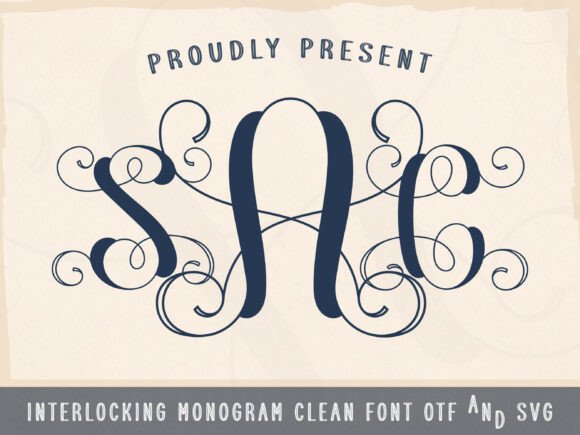
In the vast landscape of digital typography, there are fonts that serve merely to convey information, and then there are fonts that serve as art pieces in themselves. The Interlocking Vine typeface falls decidedly into the latter category. It is not simply a collection of letters; it is a system of visual movement. For creators, designers, and business owners, understanding the nuance of this specific style is key to unlocking new creative potential. When we talk about Interlocking Vine, we are discussing a style that mimics the organic, twisting, and turning nature of botanical growth, where letterforms weave in and out of one another to create a cohesive, unified image.
The primary characteristic of the Interlocking Vine font is its refusal to be static. Unlike rigid sans-serif fonts or traditional serifs, this style relies on the "knotting" of strokes. Imagine a cursive script where the tail of a 'g' doesn't just sit next to the 'h', but actually loops through it, binding the words together. This creates a visual rhythm that guides the eye naturally across the page or screen. For the general consumer or professional, this means that text set in this font immediately draws attention. It transforms standard headers into focal points and turns ordinary quotes into visual experiences. The design philosophy here is rooted in fluidity, offering a break from the grid-locked structures that dominate modern web and print layouts.
The Anatomy of a Clean Vine Font
When evaluating typography for professional use, clarity is often a top priority. While decorative fonts can sometimes sacrifice legibility for style, the Interlocking Vine aesthetic, specifically when designed as a "clean" vine font, strikes a delicate balance. A clean vine font implies that despite the ornate loops and swirls, the letterforms remain distinct. There is a difference between a chaotic scramble of lines and a structured, elegant intertwining. High-quality versions of this style ensure that the "interlocking" elements are artistic flourishes rather than visual obstructions.
One of the defining features of the Interlocking Vine look is its ability to add texture. In design, texture adds depth. A flat, minimalist design can be elevated instantly by introducing a font that has dimension and movement. The vines in the typography act as a layer of visual complexity that suggests craftsmanship. For a business owner, this can subconsciously communicate a message of attention to detail and care. If a logo or header looks intricate, the audience may infer that the product or service offered is equally detailed and high-quality. This is the psychological power of typography, and Interlocking Vine leverages it effectively.
Practical Applications and Use Cases
The versatility of the Interlocking Vine font allows it to be applied across a wide variety of mediums. It is not restricted to digital screens; in fact, it often shines brightest in print and physical crafting. Here are several scenarios where this typography style proves invaluable:
- Wedding Stationery and Invitations: The romantic, flowing nature of the vine motif makes it ideal for formal events. It evokes a sense of tradition and romance, perfect for save-the-dates, menus, and place cards.
- Branding for Artisan Products: If you are selling organic products, hand-crafted goods, or boutique clothing, the Interlocking Vine style reinforces the "handmade" or "natural" aspect of your brand.
- Greeting Cards and Scrapbooking: For the hobbyist or crafter, this font provides a complex look without the need to manually draw ornate borders. It serves as both text and decoration simultaneously.
- Book Covers and Chapter Headers: Authors looking to set a specific tone—perhaps fantasy, historical fiction, or romance—can use this font to transport the reader before they even read the first sentence.
- Digital Assets and Social Media: In a crowded digital feed, the movement of Interlocking Vine can stop a user from scrolling, increasing engagement with the post.
Evaluating Suitability: Strengths and Considerations
While the aesthetic appeal of Interlocking Vine is undeniable, it is crucial to approach its implementation with a strategic mindset. Every design tool has its optimal environment, and typography is no exception. The primary strength of this font is its "eye-catching" nature. It is designed to be a display font—something used for headlines, logos, or short bursts of text where impact is the goal.
However, this strength can become a limitation if misapplied. Because the letters interlock and feature intricate curves, long-form body text (such as a paragraph of 500 words) set entirely in Interlocking Vine would likely be exhausting to read. The visual complexity that makes it beautiful for a title becomes a hindrance to readability in a dense block of text. Therefore, the best practice is to pair it. A designer might use Interlocking Vine for the main headline and pair it with a very clean, simple sans-serif font for the body text. This contrast allows the vine font to stand out without overwhelming the viewer.
Another consideration is the "personality" of the font. Interlocking Vine conveys a specific mood: elegance, nature, femininity, or classicism. It may not be the best fit for a corporate law firm seeking to project aggressive efficiency or a tech startup looking for a hyper-modern, robotic vibe. Understanding the emotional resonance of the font is just as important as liking the way it looks.
Integrating Interlocking Vine into Your Creative Workflow
For creators and professionals looking to integrate Interlocking Vine into their work, the process should begin with experimentation. Because the font features unique connections between letters, the spacing (kerning) might behave differently than standard fonts. It is often necessary to adjust the size and spacing manually to ensure the "vines" connect smoothly without overlapping awkwardly or breaking apart.
Color plays a significant role in how this font is perceived. Because the lines in a vine font can be thinner and more intricate than blocky letters, contrast is vital. A dark Interlocking Vine font on a light background usually works best to ensure the delicate details of the vine work are visible. Conversely, using this font in light colors on a dark background can create a glowing, ethereal effect, provided the resolution is high enough to capture the details.
Real-World Scenarios: From Screen to Print
Consider a small business owner creating a logo for a tea shop. They want to convey a sense of organic growth and soothing elegance. Using Interlocking Vine for the shop name creates an immediate visual association with tea leaves and vines. The font does the heavy lifting of branding, eliminating the need for excessive illustration.
Alternatively, think of a content creator making a thumbnail for a YouTube video about gardening or floral arrangement. The standard text might look bland, but overlaying the title with Interlocking Vine instantly connects the text to the subject matter. It acts as a visual shorthand, telling the viewer "this content is about nature and beauty" before they process the words.
Guidance for Evaluating Font Quality
Not all fonts are created equal, and this is particularly true for decorative styles like Interlocking Vine. When sourcing this font for your projects, whether for personal use or professional branding, there are specific quality markers to look for:
- Vector Smoothness: Zoom in on the curves. High-quality vine fonts will have smooth, anti-aliased edges. If the curves look jagged or pixelated when enlarged, the font file is low quality and will not print well.
- Consistent Flow: Look at how different letters connect. Does the vine pattern remain consistent? A poorly designed font might have beautiful 'a's and 'b's, but the 'z' might look disjointed or out of place.
- Character Set: Ensure the font includes a full range of characters, including numbers and punctuation, designed in the same vine style. It can be jarring to use a vine font for letters and a standard font for numbers.
- Licensing and Usage: For business owners, verifying the license of the Interlocking Vine font is essential. Ensure that the font is cleared for commercial use if you plan to use it in logos, merchandise, or products for sale.
The Timeless Appeal of Nature-Inspired Typography
Trends in design come and go—neon colors, brutalism, flat design—but nature-inspired elements remain a constant. The Interlocking Vine style taps into a timeless human appreciation for the organic world. It brings a touch of the outdoors into the digital or print space. As we move further into a digitized world, the desire for human touch and organic aesthetics in design will only grow.
Ultimately, the value of Interlocking Vine lies in its ability to tell a story through typography. It is more than just a way to spell out a word; it is a way to set a scene, evoke an emotion, and create a memorable visual identity. Whether you are a professional designer looking for the perfect display type, a business owner crafting a unique brand image, or a hobbyist adding flair to a personal project, the clean, elegant, and eye-catching nature of this font makes it a powerful tool in your creative arsenal.