Injecting Retro Energy: A Deep Dive into the Barbie Vintage Font
Capturing the Essence of a Golden Era
In the world of digital design, there is a constant search for typefaces that do more than just display letters; they evoke a feeling, transport the viewer to a specific time, and tell a story. Barbie Vintage is a font that accomplishes this with striking confidence. It is not merely a collection of characters but a bold, bubbly display script that channels the unmistakable Pop Art aesthetic of the 1960s and 70s. For designers, creators, and business owners looking to infuse their projects with a sense of nostalgia and vibrant energy, understanding the nuances of this typeface is essential.
This font represents a bridge between the past and the present. It takes the playful, optimistic spirit of mid-century design and repackages it for modern digital applications. Whether you are crafting a logo, designing merchandise, or building a social media campaign, Barbie Vintage offers a unique voice that is both eye-catching and emotionally resonant. It speaks to a time of bold colors, unapologetic fun, and expressive typography, making it a powerful tool in any designer's arsenal.
Deconstructing the Visual Language
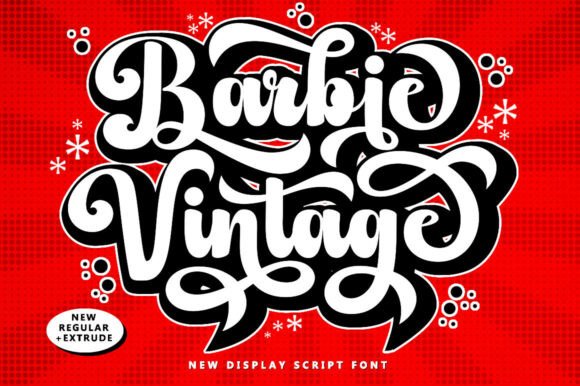
To truly appreciate the value of Barbie Vintage, one must look at its specific design characteristics. At its core, it is a display script, meaning it is intended for headlines, titles, and short bursts of text rather than body copy. Its structure is defined by thick, expressive swashes that give each letter a sense of movement and personality. These swashes are not just decorative; they are integral to the font's identity, creating a flowing, almost hand-drawn feel that is reminiscent of vintage signage and packaging.
Perhaps the most defining feature of this typeface is its heavy Extrude style. This technique adds a three-dimensional depth to the letters, making them appear to leap off the page or screen. In the context of 1960s and 70s design, this 3D effect was a hallmark of attention-grabbing advertisements. By incorporating this element, Barbie Vintage doesn't just mimic the era; it authentically replicates the visual language that defined it. The result is a font that feels tactile and substantial, adding weight and presence to any design it inhabits.
Practical Applications: Where Vintage Charm Meets Modern Vibrancy
The true test of any typeface is its versatility in real-world scenarios. Barbie Vintage excels in projects that aim to stand out and make a statement. Its bold nature makes it unsuitable for long paragraphs or legal disclaimers, but it shines brightly in specific, high-impact contexts.
Merchandise and Product Packaging
One of the most natural fits for this font is in the realm of nostalgic merchandise. Imagine a tote bag, a t-shirt, or a coffee mug featuring a witty phrase rendered in Barbie Vintage. The thick swashes and 3D extrusion ensure that the design is legible even from a distance, which is crucial for apparel. For product packaging, particularly for food items, cosmetics, or novelty goods, this font can instantly communicate a retro or "throwback" theme. It tells the consumer that the product inside is fun, vibrant, and perhaps a little bit cheeky.
Event Branding and Signage
Planning a themed event, such as a 70s disco party, a retro carnival, or a vintage market? Barbie Vintage is the perfect typographic partner. Event posters require fonts that can grab attention in a split second. The bold, bubbly nature of this script ensures that the event name pops against a busy background. It can be used for flyers, banners, and even digital invitations to set the mood before the guests even arrive. The font's inherent playfulness aligns perfectly with the atmosphere of celebration and fun.
Digital Media and Social Graphics
In the fast-paced world of social media, visual impact is everything. Scrolling through a feed, users are bombarded with content; stopping that scroll requires a strong visual hook. Barbie Vintage serves as an excellent hook for Instagram stories, YouTube thumbnails, or Pinterest pins. Its unique aesthetic helps content stand out in a sea of generic sans-serifs. For creators in the lifestyle, fashion, or food niches, using this font can help establish a distinct brand identity that feels warm, approachable, and stylish.
Evaluating Suitability: Strengths and Considerations
While Barbie Vintage is a powerful tool, it is important to approach its use with a strategic mindset. Not every project calls for a bold, retro display script, and understanding where this font excels—and where it might struggle—is key to using it effectively.
The Strengths
- Instant Nostalgia: The font does the heavy lifting of establishing a vintage mood. You rarely need additional graphic elements to convey a retro theme when using this typeface.
- High Impact: Thanks to the heavy extrude and thick strokes, Barbie Vintage commands attention. It is ideal for "hero" text that needs to be the focal point of a design.
- Personality: It has a distinct voice that is playful and energetic. This makes it excellent for brands that want to appear approachable and fun rather than corporate and serious.
Considerations and Limitations
The very features that make Barbie Vintage great for headlines can become liabilities in other contexts. Its complexity and boldness mean it is not a body text font. Using it for paragraphs would result in a visual headache for the reader, as the intricate swashes would clutter the page and reduce readability.
Furthermore, because it is a "display" font, it works best when given room to breathe. Overcrowding a design with too many elements competing with the font can diminish its impact. Designers should aim for clean layouts that allow the typeface to be the star of the show. It is also worth considering the specific era you are targeting. While it captures the 60s and 70s broadly, if your design requires a more subtle, mid-century modern aesthetic (think clean lines and minimalism), this font might be too loud.
Guidance for Creators and Business Owners
For those considering incorporating Barbie Vintage into their toolkit, the decision often comes down to brand alignment. Does your brand personality lean towards the fun, the retro, and the expressive? If yes, this font could be a game-changer.
Pairing and Contrast
A common question among designers is what to pair with a display script like Barbie Vintage. The best approach is to create contrast. Because the headline font is bold, swashy, and highly stylized, the supporting text should be clean, simple, and easy to read. A neutral sans-serif or a classic serif font works well to ground the design. This hierarchy ensures that the retro energy of the headline is balanced by the clarity of the body copy, creating a professional and readable layout.
Color and Context
To maximize the retro vibe, consider the color palette used alongside the font. Pastels, mustard yellows, avocado greens, and burnt oranges can enhance the 60s and 70s feel. However, Barbie Vintage is also versatile enough to work in modern high-contrast color schemes, such as neon pink on black or electric blue on white. This adaptability allows it to feel vintage without looking dated.
Conclusion
Barbie Vintage is more than just a typeface; it is a design asset that carries the weight of history and the spark of modern creativity. It successfully injects a burst of retro energy into any project it touches. By understanding its features—thick swashes, heavy extrusion, and bubbly script—creators can harness its power to design merchandise that sells, posters that captivate, and social media content that engages. When used thoughtfully, it proves that vintage charm and modern vibrancy can coexist beautifully, offering a timeless solution for contemporary design challenges.