The Rise of Playful Typography: Understanding the Strategic Appeal of Cute Bubbly
In the contemporary landscape of digital communication, the choice of typography has evolved from a mere technical necessity to a critical component of brand identity and user experience. While the industry has long championed minimalist sans-serifs and stark geometric forms, a significant counter-movement has emerged, driven by a desire for warmth, approachability, and emotional resonance. At the forefront of this shift is Cute Bubbly, a display font that transcends simple aesthetics to become a strategic tool for modern creators, marketers, and entrepreneurs.
Defining the Aesthetic of Cute Bubbly
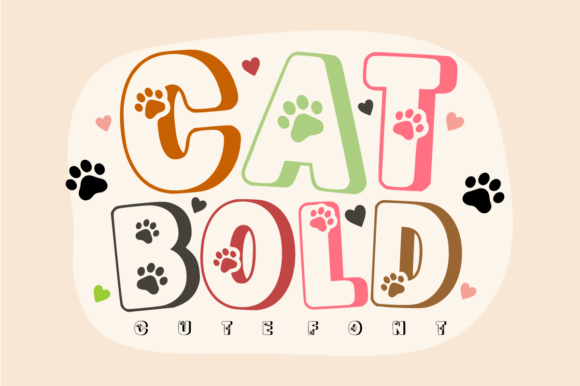
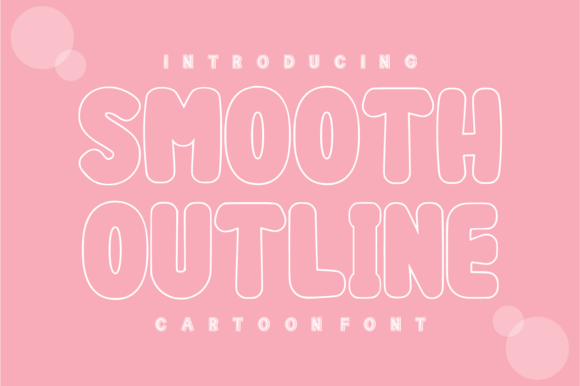
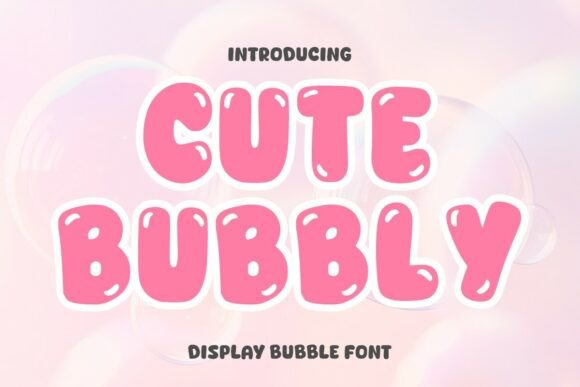
To understand the impact of this typeface, one must first appreciate its composition. Cute Bubbly is a playful and adorable bubble-style display font characterized by a soft, rounded, and kawaii-influenced look. It is not merely "rounded text"; it is a design system built on the principles of softness and joy. Its bold and bubbly letterforms create a cheerful, friendly, and eye-catching appearance. In technical terms, it utilizes high stroke contrast and extreme curvature to eliminate sharp angles, which psychologically signals safety and comfort to the viewer.
However, defining Cute Bubbly solely by its visual traits would be reductive. It represents a specific aesthetic philosophy often associated with the "kawaii" culture, which values innocence and charm. For the professional designer, this font offers a distinct voice—one that speaks clearly to audiences seeking a break from the corporate rigidity that has dominated the last decade of web design.
Contextualizing Cute Bubbly in Modern Market Trends
The resurgence of maximalist and expressive design has created a fertile ground for typefaces like Cute Bubbly. We are witnessing a broader industry trend where "serious" professionalism is being redefined. In the past, a corporate entity might have avoided a bubbly font for fear of appearing unprofessional. Today, however, as brands strive to be perceived as "human-first" and accessible, the definition of professionalism has expanded to include emotional intelligence.
This shift is particularly visible in the gig economy and the creator economy. Freelancers and small business owners are increasingly looking for ways to differentiate themselves in saturated markets. Cute Bubbly fits into this ecosystem perfectly because it offers instant brand recognition. It aligns with the "Joy Economy," where consumers are gravitating toward products and services that provide a moment of happiness or nostalgia. This is evident in the booming market for stationery, personalized goods, and "dopamine dressing," where typography plays a starring role in the product's appeal.
The Psychology of Soft Typography
Why are professionals paying such close attention to a font that might, at first glance, seem strictly decorative? The answer lies in color psychology and typographic semiotics. Hard, angular fonts often convey authority, coldness, and structure. Conversely, the soft, rounded geometry of Cute Bubbly conveys approachability, inclusivity, and playfulness.
For marketers, this psychological trigger is invaluable. In an era of high consumer anxiety, a brand identity that uses Cute Bubbly can subconsciously promise a stress-free experience. It lowers the barrier to entry for potential customers. When a user sees this font on a landing page or packaging, they are primed to expect a friendly interaction rather than a transactional one. This is why we see a surge in its usage not just in children's designs, but in sectors like wellness, pet care, confectionery, and even fintech apps targeting Gen Z, who prefer a less intimidating approach to banking and finance.
Practical Applications and Workflow Integration
For the modern creative, adaptability is key. The utility of Cute Bubbly extends far beyond its primary application. It is a versatile asset that solves specific design problems across various media. Its inherent legibility at large scales makes it a powerhouse for headlines, but its texture adds depth to graphic compositions.
Here are practical scenarios where Cute Bubbly transforms a project:
- Children’s Education and Entertainment: The font’s kawaii aesthetic naturally resonates with younger audiences. It is ideal for educational apps, storybook covers, and toy packaging. The rounded letters mimic the shapes children first learn to draw, creating an immediate cognitive connection.
- Social Media and Digital Marketing: In the fast-scroll environment of platforms like Instagram and TikTok, attention is currency. Cute Bubbly creates a "thumb-stopping" effect. It is frequently used for overlay text on Reels and Stories to add a layer of personality and relatability that standard system fonts cannot provide.
- Branding and Logos: For startups in the lifestyle sector, a logo utilizing Cute Bubbly can communicate the brand's core values instantly. It suggests that the brand is modern, trendy, and customer-centric. This is particularly effective for businesses selling handmade goods, cosmetics, or bakery items.
- Packaging and Physical Products: The tactile nature of packaging design pairs well with the visual "softness" of the font. It enhances the unboxing experience, making the product feel more premium and thoughtful. Whether it is a sticker sheet or a poster, the font adds a layer of joy to the physical interaction.
Aligning with Evolving Consumer Expectations
Consumer preferences have shifted dramatically. The modern consumer, particularly within the Millennial and Gen Z demographics, values authenticity and personality over polished perfection. The sterile, ultra-minimalist look that defined the 2010s is often now viewed as impersonal or "cold." Cute Bubbly serves as a direct response to this fatigue.
There is a growing expectation for brands to engage in "visual storytelling." A font choice is no longer passive; it is an active participant in the narrative. By choosing Cute Bubbly, a brand is making a statement about its culture—it is saying, "We do not take ourselves too seriously, but we take your experience very seriously." This balance between fun and function is the new benchmark for effective design. It acknowledges that user experience (UX) is not just about navigation and load times, but about how a design makes the user feel.
The Future of Expressive Design
Looking forward, the trajectory of design technology suggests that expressive typography will become even more integrated into our digital lives. As augmented reality (AR) and virtual reality (VR) spaces expand, the need for fonts that feel organic, 3D, and tactile will increase. Cute Bubbly, with its inherent dimensionality and volume, is well-positioned for these emerging platforms.
Furthermore, the democratization of design tools means that more non-designers are creating content. Fonts that are "forgiving"—meaning they look good in almost any context and are easy to read—will remain in high demand. Cute Bubbly is inherently forgiving; its distinct style ensures that even a novice layout will look intentional and stylized.
For professionals, entrepreneurs, and creators, the message is clear: typography is a tool of engagement. Ignoring the emotional power of a font like Cute Bubbly is to ignore a significant lever of influence. It is not just a typeface for "cute" projects; it is a sophisticated instrument for building connection, driving engagement, and injecting humanity into the digital interface. As we continue to navigate a world that craves connection, the bubbly, bold, and joyful nature of this font ensures it will remain a staple in the designer's toolkit for years to come.