Bradent: Capturing Vintage Motorcycle Spirit in Your Design Projects
In the world of graphic design, typography is more than just letters on a page—it's the voice of your project. When you need to convey raw power, rugged individualism, and a touch of nostalgic history, standard clean fonts often fall short. You need something with grit, something that feels like it was pulled from a greasy workbench or stamped onto a metal engine part. Enter Bradent, a font collection designed specifically to bridge the gap between modern digital design and the tactile, hands-on world of vintage craftsmanship.
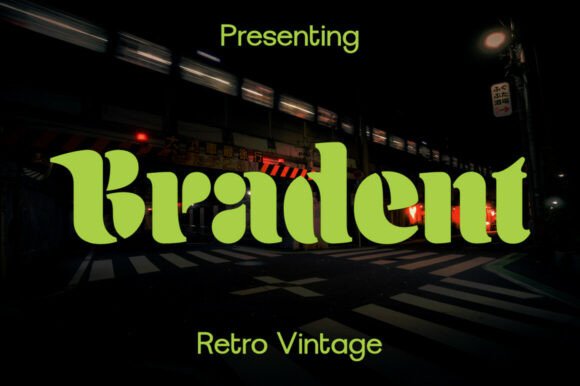
Bradent is not just another typeface; it is a comprehensive typographic toolkit. It functions as a dynamic set that brings the spirit of the workshop directly into your software. Whether you are designing for a motorcycle brand, a craft brewery, or an outdoor adventure company, the Bradent collection provides the visual language needed to tell a story of endurance and style.
The Anatomy of a Workshop-Inspired Typeface
At its core, Bradent is a fusion of styles that defines the industrial aesthetic. It combines the structural integrity of a stencil-style serif with the clean legibility of a sans-serif. This dual nature is what makes it so versatile. The serif elements provide that vintage, authoritative weight, reminiscent of old signage and heavy machinery, while the sans-serif aspects ensure that the text remains grounded and usable in contemporary layouts.
What truly sets Bradent apart, however, is its commitment to texture. In a digital landscape often dominated by vectors that are mathematically perfect and sterile, Bradent introduces imperfection as a feature. The collection comes equipped with three distinct styles: regular, rough, and stamped.
- Regular: Offers a clean, standard version of the typeface for when you need the shape of the letters without the heavy texture.
- Rough: Introduces weathering and edge erosion, simulating the look of ink that has bled slightly or paint that has chipped over time.
- Stamped: The crown jewel for industrial themes, this style mimics the physical impression of a metal die stamping into leather or thick cardboard.
By offering these variations, Bradent allows designers to control the intensity of the "used" look. You can mix and match these styles to create hierarchy and visual interest, ensuring that your headers pop with a rugged stamped look while supporting text remains readable yet stylistically consistent.
Practical Applications: From Posters to Apparel
The utility of a font like Bradent extends far beyond simple text. It is a tool for building a brand atmosphere. Because it draws so heavily on the iconography of the open road and the garage, it is particularly effective for specific industries and creative projects.
Apparel and Merchandise
For clothing brands, particularly those focusing on streetwear, workwear, or motorcycle culture, typography is a primary design element. Bradent shines here. Imagine a heavyweight cotton t-shirt with a large, stamped "RIDE OR DIE" graphic across the chest. The texture of the font mimics screen printing or discharge printing, adding a layer of tactile realism to the digital mockup. It looks authentic because it is modeled after authentic industrial processes.
Logo Design and Branding
When creating a logo for a custom motorcycle shop, a vintage café, or a rugged outdoor brand, the font choice dictates the customer's first impression. Using Bradent suggests that the business values tradition, strength, and hands-on craftsmanship. The stencil elements evoke a sense of utility and function—things are built to last. It tells the customer that they are dealing with a brand that has substance.
Editorial and Poster Design
Posters and magazine layouts require high visual impact to grab attention quickly. Bradent provides this through its bold weight and distinct texture. It is perfect for headlines and pull quotes. For example, in an editorial spread about the history of café racers, using Bradent for the chapter titles sets the scene immediately. It transports the reader into the narrative before they even read the first sentence of the body copy.
Integrating Bradent into Modern Workflows
One of the challenges designers face with novelty or vintage fonts is file compatibility and ease of use. The creators of Bradent have addressed this by ensuring the collection is delivered in industry-standard formats. The package includes both OTF (OpenType Font) and TTF (TrueType Font) files.
This dual-format delivery ensures that the font works seamlessly across different operating systems and design software, whether you are working in Adobe Illustrator, Photoshop, InDesign, or Affinity Designer. The installation is straightforward, allowing you to get up and running with your project without technical headaches. Furthermore, the font is designed to scale well, maintaining its character whether it is used on a massive banner or a business card.
Design Best Practices: Readability and Hierarchy
While Bradent is a powerful tool, it comes with a specific set of guidelines that designers must respect to use it effectively. Vintage and textured fonts are visually dense. The "rough" and "stamped" textures involve complex shapes that can create visual noise.
Important Consideration: Avoid using vintage fonts like Bradent for long paragraphs of text. Their readability is typically lower than modern, clean fonts. The human eye struggles to scan lines of text that have irregular edges or heavy textures for extended periods.
Instead, use Bradent strategically for headlines, large titles, or short slogans. Pair it with a clean, sans-serif font for your body copy. For example, use Bradent for the word "MOTORCYCLE" and pair it with a font like Helvetica or Open Sans for the description of the bike below it. This contrast creates a professional hierarchy that guides the viewer's eye naturally from the bold, attention-grabbing title to the informative body text.
Capturing the Essence of Culture
Design is about evoking emotion. The Bradent font collection is engineered to evoke a very specific set of feelings: adventure, freedom, grease, and steel. It captures the essence of vintage motorcycle culture not just through its letterforms, but through the accompanying visual style.
The detailed stencil and stamped visuals included in the collection allow you to build a cohesive world around your typography. You aren't just choosing a font; you are adopting a design language. This is particularly valuable for creative projects that require a "lifestyle" feel. It helps bridge the gap between the product and the passion behind it.
Why Choose Bradent?
In a saturated market of font options, choosing the right one can be overwhelming. Here is why Bradent stands out for designers looking for that specific industrial edge:
- Authenticity: It doesn't just look old; it feels engineered. The stencil serifs and sans-serif mix offer a genuine vintage workshop vibe.
- Versatility within a Niche: With three styles (regular, rough, stamped), it offers flexibility. You can go subtle or go loud depending on the project's needs.
- Thematic Cohesion: It is perfect for the "maker" movement, motorcycle culture, rugged outdoor brands, and vintage-styled logos.
- Technical Reliability: Provided in OTF and TTF, it is ready for professional production environments.
Ultimately, typography should serve the story you are trying to tell. If your story involves the open road, the smell of motor oil, or the satisfaction of a well-made machine, Bradent provides the ideal typographic foundation. It allows you to embrace the spirit of strength and craftsmanship, letting your creativity run wild on posters, logos, apparel, and beyond.