Brush Power: A Practical Evaluation for Your Design Projects
In the world of digital design, the choice of typography is a foundational decision that shapes a project's entire visual narrative. For designers, brand strategists, and creatives aiming for a specific aesthetic, evaluating a font's character, versatility, and practical application is crucial. This analysis focuses on Brush Power, a bold vintage display font, to help you determine its suitability for your work. Rather than a simple feature list, this guide explores its strengths, ideal use cases, and important considerations for effective implementation.
Understanding the Font's Core Identity
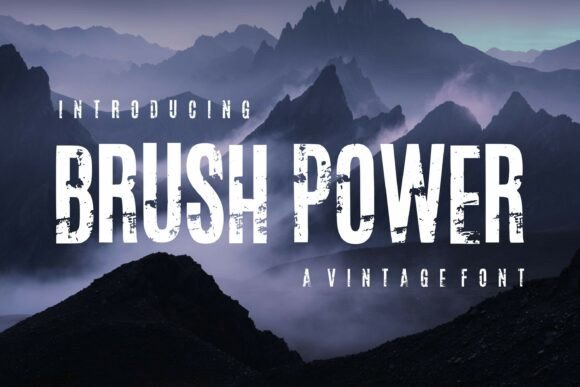
Brush Power is fundamentally a display typeface, meaning it is engineered for impact and readability at larger sizes, such as in headlines, titles, and logos. Its design is a deliberate homage to mid-20th-century graphic styles, drawing direct inspiration from retro signage, vintage posters, and the tactile quality of worn-out printed matter. The font's defining characteristics are its strong, rugged letterforms and the integration of authentic distressed textures. These textures mimic the uneven ink coverage and surface imperfections of analog printing processes, giving each character a hand-crafted, weathered appearance.
The aesthetic of Brush Power can be described as raw, powerful, and inherently masculine. Its rough, brush-like strokes convey energy and a sense of history, making it a tool for evoking nostalgia or a timeless, classic vibe. It is not designed for body text or small-scale applications where its detailed textures would become illegible or visually noisy.
Evaluating Its Strengths and Ideal Applications
The primary reason a designer would consider Brush Power is to inject a specific vintage or retro personality into a project. Its value lies in its ability to communicate a clear stylistic message almost instantly. Here are situations where it often proves to be a strong fit:
- High-Impact Headlines and Titles: For posters, event flyers, website hero sections, or magazine covers, Brush Power can create immediate visual interest and set a thematic tone. Its bold presence ensures the headline captures attention.
- Logo and Branding for Specific Niches: Brands targeting audiences interested in heritage, craftsmanship, rugged outdoor activities, or artisanal products may find its aesthetic aligns perfectly. It can be effective for logos, packaging, and branding materials in sectors like craft brewing, specialty coffee, motorcycle culture, or vintage-inspired apparel.
- Apparel and Merchandise Design: The distressed, textured quality of Brush Power translates exceptionally well to screen printing and embroidery, where slight imperfections add to the design's authenticity. It is a popular choice for t-shirt graphics, caps, and other merchandise.
- Thematic Projects: Any design context that requires a "retro look with a modern twist" can benefit. This includes album artwork, film title sequences, social media graphics for throwback campaigns, or menu designs for classic diner-style eateries.
The benefit in these scenarios is clarity of intent. Brush Power does not whisper; it declares its vintage inspiration. This can save design time by providing a strong stylistic foundation upon which other elements can be built.
Key Considerations and Potential Tradeoffs
While Brush Power excels in specific areas, its specialized nature means it is not a universal solution. A balanced evaluation requires acknowledging its limitations and the tradeoffs involved in its use.
The most significant consideration is versatility. As a highly stylized display font, its application is narrow. Using it for body copy, user interfaces, or lengthy text would be impractical and illegible. Designers must pair it with a simpler, highly readable sans-serif or serif font for supporting text, which adds a layer of complexity to the typographic system.
Another tradeoff involves overuse and trend dependency. The vintage distressed aesthetic, while timeless in concept, can sometimes be perceived as a design trend. If not integrated thoughtfully with other original elements, a project relying solely on a font like Brush Power might risk looking derivative. The challenge for the designer is to use it as a component of a unique vision rather than the sole source of creativity.
Finally, there are technical expectations. The distressed textures that give the font its character can present challenges in very small sizes or low-resolution screens, where details may blur. For digital applications, ensuring adequate size and contrast is essential. For print, testing the font on the intended material is recommended to see how the textures reproduce.
Making a Practical Decision: Is Brush Power Right for You?
To determine if Brush Power aligns with your goals, ask yourself these practical questions:
- What is the core message of my project? If the answer involves heritage, authenticity, power, or a specific retro era (like the 1950s-70s), this font is a candidate. If the message is modern, minimalist, or corporate, alternatives will be more appropriate.
- What is the primary use case? If you need a headline font for a poster, logo, or apparel, Brush Power is designed for that role. If you need a workhorse font for a brochure or website body text, you should look elsewhere.
- Do I have a complementary typographic palette? Successful use will require pairing it with a clean, neutral font. Consider if you have the skill or resources to create a harmonious pairing.
- Have I considered the medium? Test how the font looks at the size and in the context of your final output—whether on a website, a printed banner, or a stitched logo.
When to Explore Alternatives
Alternatives to Brush Power are worth considering in several scenarios. If your project requires a vintage feel but with a slightly different tone—perhaps more elegant, playful, or hand-lettered—exploring other retro-inspired display fonts would be prudent. Fonts with smoother strokes or different historical references (e.g., Art Deco, Victorian, or 1980s retro) might better suit the specific sub-genre of vintage you are targeting.
Furthermore, if versatility is a top priority, investing in a comprehensive font family that includes multiple weights and styles (like a robust sans-serif superfamily) may offer more long-term utility across a wider range of projects. Brush Power is a specialist tool, not a general-purpose one.
Conclusion
Brush Power is a purposeful design asset with a strong, defined character. Its value is realized when a project's goals directly align with its rugged, vintage display aesthetic. By understanding its strengths in creating impactful headlines and thematic branding, while also respecting its limitations in versatility and application, you can make an informed decision. It is most effective when used strategically as part of a larger design system, ensuring your work feels intentional and authentic rather than reliant on a single stylistic shortcut. Evaluate your project's specific needs, test its application, and consider whether its powerful, textured voice is the right one to tell your story.