Candy Outline: A Sweet Choice for Playful Design Projects
When a design project calls for a dose of pure, unadulterated fun, the typography choice becomes critical. Standard fonts often fall short, delivering professionalism but lacking the joyful spark needed to connect with a younger audience or evoke a sense of whimsy. This is where a specialized typeface like Candy Outline enters the picture. It’s more than just a font; it’s a design tool built to inject personality, nostalgia, and a handcrafted feel into your work, solving the specific challenge of making content feel approachable and delightful.
Understanding the Unique Appeal of Candy Outline
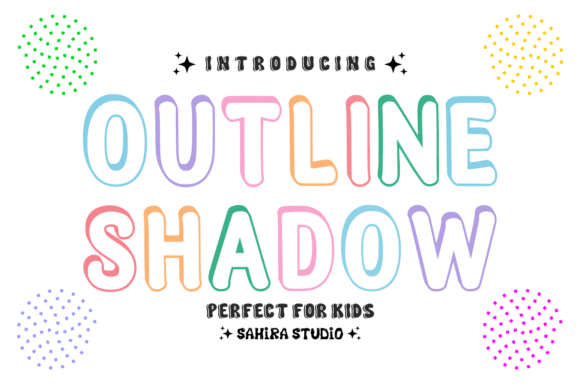
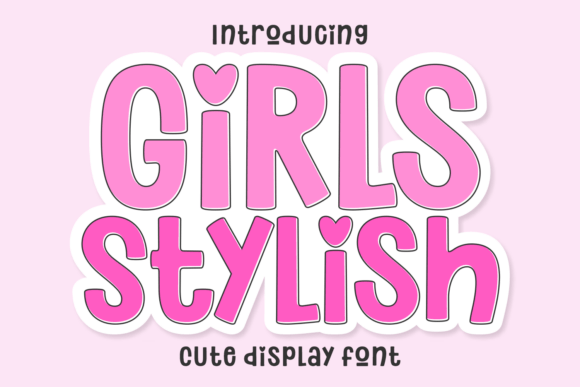
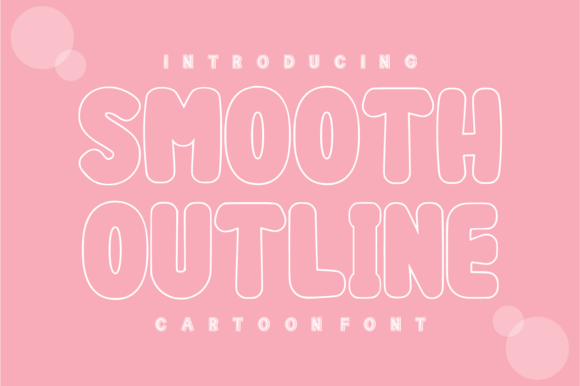
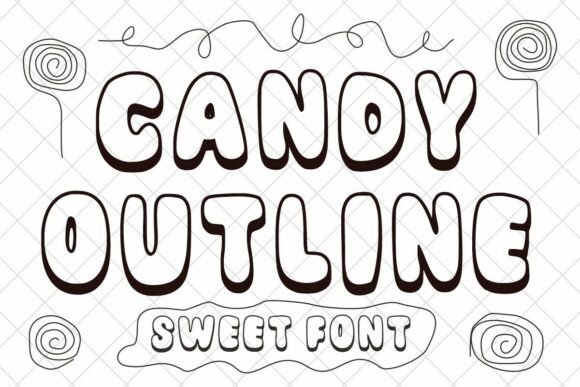
Candy Outline is a display font defined by its thick, bubbly letterforms and distinctive outline style. Each uppercase character features bold outlines with whimsical shadow detailing, creating a three-dimensional, almost edible quality. The design intentionally mimics the charming imperfections of hand-lettering, with exaggerated curves and soft, rounded edges. This aesthetic directly taps into childhood memories of candy wrappers, playful signage, and storybook titles. Its outlined nature isn't just a stylistic choice; it’s a functional feature that opens up creative possibilities for layering, coloring, and interactive design, making it a versatile asset for specific project types.
Practical Applications Where This Font Shines
The true value of Candy Outline is realized in its application. Its strengths lie in projects where the primary goal is to communicate joy, simplicity, and approachability. For entrepreneurs and creators in the children's market, this font can become a cornerstone of brand identity. Consider a small business owner launching a line of organic fruit snacks. Using Candy Outline for the product logo and packaging instantly signals that the product is fun, safe, and appealing to kids, while its clean outlines ensure the brand name remains legible on a busy shelf. Similarly, for a freelance designer creating a birthday party invitation suite, this font sets the perfect tone, promising a celebration filled with laughter and sweets before the first word is even read.
Educators and content creators can leverage its playful charm to increase engagement. A teacher designing a worksheet for early readers or a blogger creating a printable coloring page can use Candy Outline to transform a simple activity into an inviting game. The bold outlines serve a dual purpose: they are visually striking and provide clear, defined edges that are perfect for young children to color within, supporting motor skill development. For marketers, it offers a way to soften a message. A poster for a community fair or a social media graphic for a bakery’s weekend special benefits from the font’s lighthearted energy, making announcements feel less like corporate communications and more like friendly invitations.
Design Benefits and Creative Possibilities
Beyond its immediate visual charm, Candy Outline offers practical design advantages. Its high legibility, even at larger sizes, ensures that your core message is never lost in the style. This is crucial for titles, headers, and short bursts of text where clarity is paramount. The outlined structure is perhaps its most significant technical benefit. Designers can easily apply gradients, patterns, or solid colors to the interior space of the letters, creating dynamic layered effects. Imagine a logo where the letters are filled with a swirling pattern or a poster title where each letter contains a different pastel hue. This capability allows for a high degree of customization without altering the font itself, saving time and expanding creative output.
Furthermore, the font’s consistent character width and spacing contribute to a balanced and harmonious layout. When used in all-caps settings—which is its intended design—it creates a strong, rhythmic visual block that commands attention without feeling aggressive. This makes it particularly effective for short, impactful statements on posters, product labels, and signage. For DIY crafters and hobbyists, using Candy Outline in cutting machines for vinyl decals or paper crafts yields clean, bold shapes that are easy to weed and apply, resulting in professional-looking personalized items.
Who Stands to Benefit the Most?
While its appeal is broad, certain professionals and creators will find Candy Outline exceptionally useful. Children’s book authors and publishers can use it for captivating cover art and chapter headings. Small business owners in the food, toy, or party supply industries can build a cohesive and inviting brand identity. Graphic designers specializing in family-oriented events, educational materials, or whimsical branding will add a valuable tool to their font library. Content creators and bloggers focusing on crafts, recipes, or parenting can enhance their visual content with a font that resonates with their audience’s desire for fun and creativity. Even marketers aiming to humanize a brand or target a nostalgic demographic can use it strategically to evoke positive emotions.
Making an Informed Decision
Like any design tool, Candy Outline has its ideal context. It is a display font, meaning it is engineered for headlines, logos, and short text, not for body copy. Its playful personality, while a strength in one context, could undermine the seriousness required for a legal document, a formal corporate report, or a luxury brand seeking minimalist elegance. The key is to match the font’s voice with your project’s voice. If your goal is to communicate warmth, nostalgia, and joy, it’s an excellent fit. If you need to convey authority, sophistication, or stark modernism, other typefaces would be more appropriate.
Before committing, consider testing it in your specific design software to ensure its performance meets your needs, particularly if you plan to use its outlining features for complex color work. Pairing it with a simple, clean sans-serif font for body text can create a balanced and readable hierarchy. Ultimately, Candy Outline is a specialized solution. When used thoughtfully, it doesn’t just display words; it conveys a feeling, solves a communication challenge, and helps transform a simple message into a memorable and delightful experience for your audience.