Glitch: The All-Caps Display Font That Commands Attention
In the vast and often uniform landscape of digital typography, finding a typeface that truly breaks the mold can feel like a quest. Designers and creators constantly seek that perfect element—a font that doesn't just convey words but embodies a concept, a mood, a statement. This is precisely where Glitch, a stunning decorative display font, enters the conversation. It is not merely a collection of letters; it is a designed artifact, engineered to be the undeniable center of attention in any composition.
Understanding the Core Philosophy: Beyond Ordinary Typography
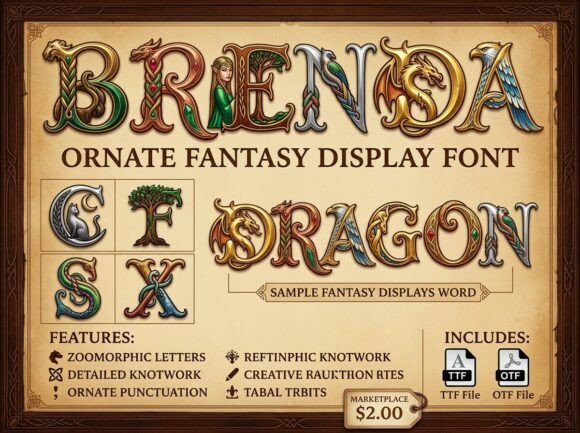
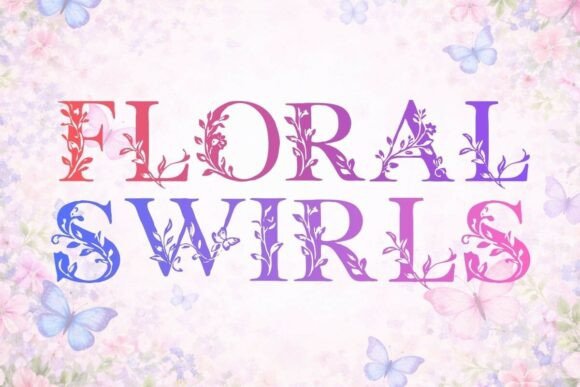
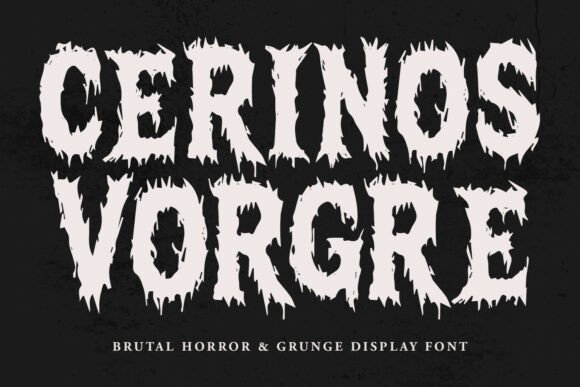
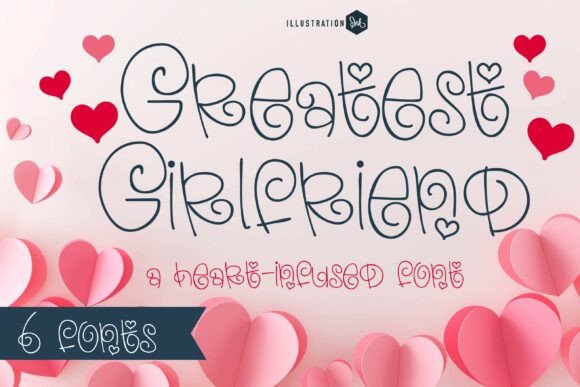
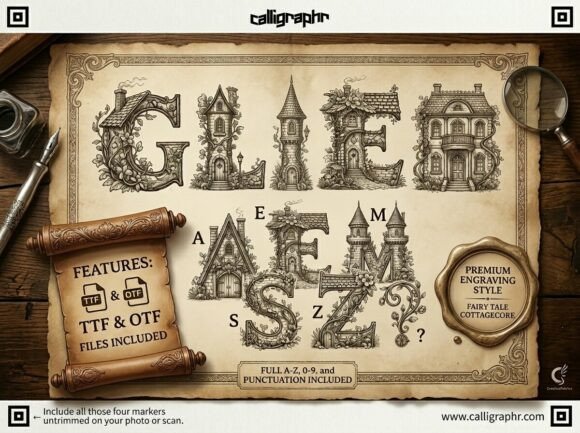
At its heart, Glitch is a reaction against the mundane. Its design philosophy is rooted in the idea that typography should be an active participant in visual storytelling, not a passive backdrop. The font features unique artistic elements—subtle irregularities, dynamic angles, and a strong visual personality that gives each character a sense of energy and movement. This isn't the font for body text or quiet invitations. It is a tool for high-impact moments where every letterform is intended to be a work of art, meticulously crafted to hold its own.
The professional and polished finish of Glitch ensures that while it is bold and artistic, it avoids sacrificing legibility for the sake of style. This balance is crucial. A truly effective display font must command attention without becoming an unreadable puzzle. Glitch achieves this by maintaining clear letter structures within its decorative framework, making it suitable for applications where both aesthetic impact and clear communication are paramount.
Practical Applications: Where Glitch Finds Its Voice
The versatility of a display font is measured by the range of contexts in which it can excel. Glitch is specifically engineered for scenarios demanding a strong typographic statement.
Bold Headlines and Hero Sections
In web design, editorial layouts, and advertising, the headline is the hook. Using Glitch for a main headline or a website's hero section immediately sets a tone of creativity and modernity. It draws the viewer's eye directly to the core message, ensuring it is not just seen but remembered. For a tech startup, a music festival poster, or a cutting-edge fashion brand, this font can encapsulate the entire brand ethos in a few impactful words.
Artistic Logos and Brand Identity
A logo is the cornerstone of brand identity. Choosing Glitch for a logo or monogram signifies a brand that is confident, innovative, and unafraid to stand out. It works exceptionally well for businesses in creative industries—design studios, boutique agencies, artisanal product makers, or any entity that positions itself as a creator and innovator. The all-caps nature of the font reinforces a sense of authority and presence.
Creative Packaging and Product Design
On a crowded shelf or in a digital marketplace, packaging is the first physical or visual touchpoint. Glitch can transform packaging into a tactile experience. Imagine a craft beverage label, a luxury cosmetics box, or a limited-edition tech gadget sleeve. The font adds a layer of artistic value, suggesting that the product within is equally unique and carefully considered. It turns the product name into a decorative element that enhances the unboxing experience.
Event Branding and Promotional Materials
For concerts, art exhibitions, conferences, or product launches, the visual identity needs to generate excitement. Glitch is ideal for event titles, stage graphics, ticket designs, and social media assets. Its dynamic character helps convey energy, innovation, and a forward-thinking vibe, perfectly aligning with events designed to inspire and engage.
Technical Considerations for Seamless Integration
Adopting a new font, especially a specialized display typeface, requires practical forethought. The delivery of Glitch in both OTF and TTF formats is a deliberate consideration for professional workflow.
- OTF (OpenType Font): This is the professional standard, favored in advanced design software like Adobe Illustrator, Photoshop, and InDesign. OTF files often contain more sophisticated typographic features, such as ligatures and stylistic alternates, giving designers finer control over the final output.
- TTF (TrueType Font): This format guarantees universal compatibility. It is the standard that works seamlessly across all operating systems and devices, from desktops to tablets and smartphones. This ensures that a design using Glitch will render consistently whether viewed on a designer's high-resolution monitor or a consumer's mobile phone.
A critical note for users is that Glitch is an ALL-CAPS Uppercase Only typeface. This is not a limitation but a defining characteristic. It is intentionally designed for contexts where uppercase letters provide maximum impact—headlines, logos, and decorative initials. Attempting to use it for long paragraphs or in situations requiring case sensitivity would be a misuse of its design intent. Understanding this feature is key to leveraging the font effectively and avoiding frustration.
The Creator's Mindset: When to Choose a Font Like Glitch
Selecting a typeface is a strategic decision. A font like Glitch is the right choice when the goal is differentiation and impact. Consider it when:
- The project's primary audience values creativity, innovation, and boldness.
- The design must stand out in a visually competitive environment.
- The brand or message is centered around artistry, disruption, or modernity.
- The application is primarily for short, high-impact text elements rather than extended reading.
Conversely, it would be less suitable for legal documents, academic papers, user interface instructions, or any context where neutrality and long-form readability are the primary concerns. Its strength is in declaration, not narration.
The Broader Trend: Typography as an Artistic Medium
The emergence and popularity of fonts like Glitch reflect a broader trend in design: the elevation of typography from a utilitarian tool to a core artistic medium. In an age saturated with information, visual distinctiveness is a currency. Creators—whether they are independent artists, marketing professionals, or startup founders—are increasingly seeking typefaces that offer a strong point of view.
This trend is powered by the democratization of design tools and the global marketplace for digital assets. A designer in one part of the world can now access and implement a unique typeface like Glitch in minutes, enabling a level of visual experimentation and specialization that was once the domain of large agencies with custom font budgets. This accessibility fuels innovation, pushing the boundaries of what graphic design, branding, and digital art can communicate through the simple, powerful element of a letterform.
In conclusion, Glitch represents more than just a font file. It is a specialized instrument for visual communication, crafted for moments that demand to be noticed. Its value lies in its specific design strengths: its decorative artistry, its all-caps authority, and its polished versatility for high-impact applications. For the creator who understands that typography is a fundamental pillar of design, and who needs a tool to break away from the ordinary, Glitch offers a compelling and powerful solution. Its true utility is unlocked not by seeing it as a mere typeface, but by recognizing it as a strategic asset for making a lasting visual impression.