The Art of Sumi Ink Brush: Capturing Tradition in Modern Typography
In the vast and often digital world of graphic design, there is a persistent hunger for authenticity. While vector lines and perfect geometric shapes have their place, they often lack the warmth and humanity found in hand-crafted art. This is where the Sumi Ink Brush font steps in, bridging the gap between ancient calligraphic traditions and modern digital needs. It is not merely a typeface; it is a digital artifact that carries the weight, texture, and energy of traditional East Asian ink painting.
Understanding the Essence of Sumi Ink
To appreciate a font like Sumi Ink Brush, one must first understand the medium it emulates. Sumi refers to the black ink used in traditional East Asian calligraphy and painting. Unlike the uniform consistency of modern ballpoint pens or laser printers, Sumi ink is dynamic. When applied with a brush, the ink reacts to the pressure of the hand, the speed of the stroke, and the texture of the paper.
A font that mimics this style captures several key visual elements:
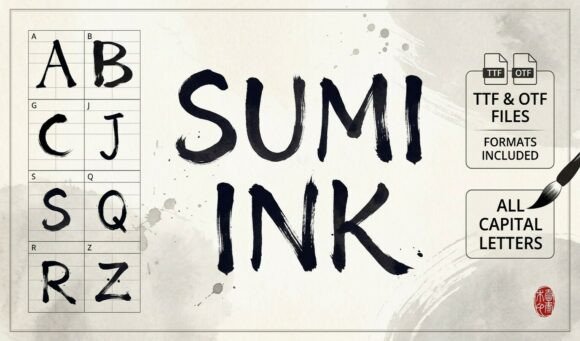
- Varying Line Weight: In traditional calligraphy, pressing down creates a thick, heavy line, while lifting the brush creates a hairline stroke. This variation is crucial for visual rhythm.
- Dry Brush Textures: As ink runs low on the brush, the strokes become jagged and textured, revealing the paper beneath. This "dry" look adds a gritty, organic feel.
- Natural Sweeping Strokes: The letters are not static; they imply movement, speed, and direction.
- Ink Splatters: Small imperfections, such as splatters or drips, are often included to enhance the handmade aesthetic.
Why Choose a Hand-Drawn Display Font?
In an era dominated by clean sans-serifs and minimalist layouts, why would a designer choose a bold, expressive brush font? The answer lies in emotional impact. Typography is the voice of design. A standard font speaks in a monotone, conveying information clearly but without passion. A Sumi Ink Brush font, however, shouts, whispers, or commands attention depending on how it is used.
For beginners in design, it is helpful to view fonts as costumes for your words. If you are designing a corporate financial report, you want a "suit and tie" font. But if you are designing a movie poster or a t-shirt, you might want something that looks like it was painted by a warrior or an artist. This font provides that instant character transformation.
The Psychological Appeal of the "Handmade" Look
Humans are naturally drawn to things that show evidence of human creation. In a world of mass production, the imperfections of a hand-drawn font signal authenticity and craftsmanship. Even though the text is typed on a keyboard, the visual result suggests that a human hand was involved. This creates a subconscious connection with the viewer, making the message feel more personal and less corporate.
Practical Applications and Versatility
One of the most significant advantages of the Sumi Ink Brush style is its incredible versatility. While it is rooted in Asian aesthetics, its application spans across various industries and styles. It is a tool for bold statement-making.
1. Asian-Inspired Artwork and Martial Arts Branding
The most natural fit for this typography is in projects related to Asian culture. Whether it is for a sushi restaurant menu, a yoga studio brochure, or a martial arts academy logo, the font instantly establishes the theme. It evokes a sense of discipline, history, and spiritual focus. For martial arts specifically, the aggressive, sweeping strokes mimic the movement of a sword or a strike.
2. Edgy Streetwear and Music
Surprisingly, the Sumi Ink Brush has found a massive home in modern streetwear and the music industry. The texture of the ink is similar to graffiti and spray paint. It fits perfectly on:
- Album Covers: Particularly for Hip Hop, Metal, and Alternative Rock genres where raw energy is preferred.
- T-Shirt Graphics: The distressed, vintage look of the ink creates designs that look worn-in and stylish.
- Skate Branding: The rebellious, free-flowing nature of the brush stroke aligns perfectly with skate culture.
3. Moody and Horror Aesthetics
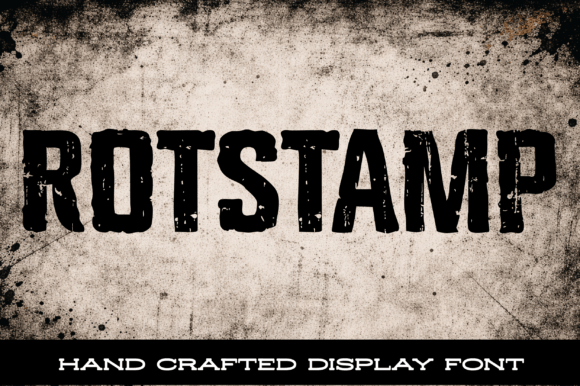
Designers often overlook the darker potential of brush fonts. Because the strokes are jagged and the textures are rough, a Sumi Ink Brush font can be incredibly effective for horror movie posters, Halloween invitations, or gothic branding. When used in a dark red or black against a grungy background, the text can look like claw marks or blood smears, adding a visceral level of horror.
Integrating Sumi Ink Brush into Modern Design Workflows
For those looking to incorporate this style into their projects, it is important to understand how to use it effectively. Because this is a display font, it is designed to be seen, not necessarily to be read in long paragraphs.
Tips for Effective Usage
- Pairing with Simplicity: Because the brush font is complex and noisy, it should almost always be paired with a clean, simple sans-serif or serif font for body text. Let the brush font handle the headlines (H1, H2) and use the clean font for the paragraphs.
- Size Matters: These fonts rely on their texture. If you make the text too small, the ink splatters and dry brush details will turn into a muddy blur. Use large sizes to let the details shine.
- Color and Background: This style works best on textured backgrounds, such as paper, concrete, or fabric. Solid, flat digital backgrounds can sometimes make the organic font feel out of place.
- Kerning and Spacing: Hand-drawn fonts often have irregular spacing. You may need to manually adjust the spacing (kerning) between letters to ensure they flow naturally without overlapping awkwardly or drifting too far apart.
Overcoming Common Misunderstandings
A common assumption among general readers is that all "fancy" fonts are interchangeable. However, there is a distinct difference between a script font (which looks like cursive handwriting) and a brush font (which looks like painting). A script font is often elegant and flowing, suitable for weddings. A Sumi Ink Brush font is raw, textured, and powerful. Using a brush font for a wedding invitation might feel too aggressive, just as using a delicate script for a heavy metal poster would feel out of place.
Furthermore, some may worry that using a stylized font limits their creativity. On the contrary, it expands it. By starting with a font that already has a strong personality, designers are challenged to build a visual world around it. The font dictates the mood—whether it is zen-like calm or high-octane energy—and the designer follows that lead to create a cohesive composition.
Conclusion: The Timeless Appeal of the Brush
The Sumi Ink Brush font represents a beautiful collision of eras. It takes the ancient art of ink calligraphy—a practice requiring years of discipline and meditation—and packages it into a format accessible to anyone with a computer. It allows a graphic designer in New York to capture the spirit of a Tokyo street artist or a martial arts master with a single keystroke.
Whether you are creating a logo for a new business, designing a poster for a band, or just experimenting with digital art, embracing the organic, imperfect nature of the brush stroke can elevate your work. It reminds us that behind every great design, there is a human touch—or at least, the beautiful illusion of one.