Rotstamp: Unleashing Raw, Distressed Typography
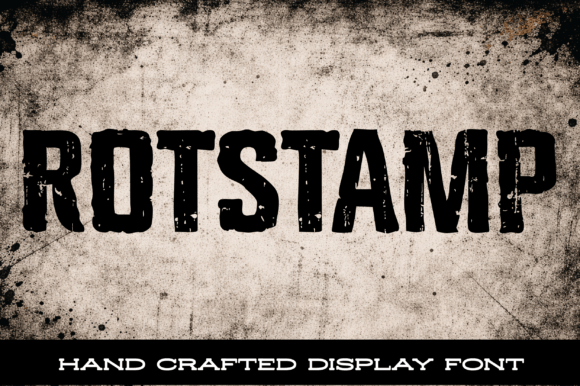
In the vast landscape of digital design, where sleek vectors and perfect curves often dominate, there is a distinct category of typography that embraces the beauty of imperfection. Rotstamp is a bold, distressed display font that captures the raw grit of worn ink and decaying print. It is not merely a collection of letters; it is a texture, a mood, and a statement. Inspired by vintage rubber stamps, industrial markings, and weathered signage, each character carries natural imperfections, rough edges, and a broken texture that gives it an authentic, aged feel. For designers and creators looking to move away from the sterile perfection of modern UI fonts, Rotstamp offers a tactile bridge to the past, delivering a heavy, tactile presence that feels like it has been pressed, worn, and left to rot—intentionally and artistically.
The Anatomy of an Industrial Typeface
Understanding Rotstamp requires looking beyond the letterforms to the history of print technology. The font mimics the look of a rubber stamp that has seen better days. When a physical stamp is used repeatedly without re-inking, the impression becomes uneven. The ink pools in some areas and fades in others. Rotstamp digitizes this phenomenon. The letterforms are blocky and strong, built for impact, yet they possess just enough chaos to feel alive. This is not a font for body text or legal disclaimers; it is a display typeface designed to grab attention instantly.
The visual style sits firmly at the intersection of vintage industrial and dark cinematic aesthetics. The "rot" in the name suggests a beautiful decay, a concept often sought after in grunge design. However, unlike some grunge fonts that look like random scratches, Rotstamp maintains legibility. The distress is applied with an artist's eye, ensuring that while the texture is chaotic, the message remains clear. This balance between disorder and structure is what makes it a versatile tool for various creative fields.
Why Creators and Marketers Seek This Aesthetic
The appeal of a font like Rotstamp varies significantly depending on who is looking at it. For a graphic designer working on a movie poster or a book cover, the priority is mood. They need a typeface that can instantly communicate a genre. If the project involves horror, thriller, or noir themes, a clean sans-serif font might feel too clinical. Rotstamp, with its heavy presence and rough edges, sets the tone immediately. It signals to the viewer that the content is edgy, serious, or gritty.
For brand strategists and entrepreneurs, the motivation is often differentiation. In a market saturated with minimalist, geometric branding, a rugged, stamped look can be a powerful differentiator. It suggests authenticity, craftsmanship, and a rejection of mass-produced perfection. Small business owners, particularly those in artisanal industries like craft brewing, specialty coffee, or handmade leather goods, often find that a font like Rotstamp aligns better with their brand story than a standard corporate typeface. It implies that the product has a history and a soul.
Practical Applications Across Industries
The utility of Rotstamp extends across a wide array of media. Its design characteristics make it particularly effective in specific contexts where texture and impact are paramount.
- Apparel and Merchandise: T-shirt designers frequently use distressed fonts because they mimic the look of vintage clothing or screen printing. Rotstamp works exceptionally well for band merchandise, moto-cross graphics, and streetwear labels. It looks "lived-in" right out of the box.
- Packaging Design: For products that want to convey a "small batch" or "heritage" feel, this font is invaluable. It can be used on labels for hot sauce, whiskey, or organic cosmetics to give the packaging a hand-stamped, artisanal quality.
- Event Branding: Horror conventions, escape rooms, and Halloween events rely heavily on atmosphere. Rotstamp is perfect for creating flyers, signage, and tickets that feel ominous and immersive.
- Digital Media: YouTubers and content creators in the true crime, history, or industrial exploration niches often use this style for their video thumbnails and channel art to establish a consistent visual identity.
Evaluating Rotstamp: A Guide for Different Skill Levels
How one evaluates and implements Rotstamp depends largely on their experience with design tools and their specific project goals. It is helpful to look at this through the lens of different user profiles.
For the Hobbyist and Beginner
For someone just starting with design—perhaps a blogger creating their own graphics or a hobbyist making party invitations—ease of use is a top priority. Rotstamp offers a significant advantage here: it does the heavy lifting for you. Beginners often struggle with making text look "finished." A standard font looks flat and requires additional effects or textures to feel integrated into a design. Because Rotstamp has built-in texture and distressing, a beginner can simply type their text, and it immediately looks like a professional design element. It saves time and reduces the learning curve associated with complex layering and masking techniques.
For the Professional Designer
Experienced professionals look at Rotstamp through the lens of flexibility and licensing. They need to know if the font includes multiple styles (such as bold, outline, or italic variations) to create hierarchy within a layout. They also care about the commercial license. A professional using Rotstamp for a client's logo or a mass-produced poster needs to ensure the font license covers those use cases. Furthermore, pros appreciate the technical quality of the vector paths. Even though the font looks rough and organic, the underlying digital engineering must be clean to ensure it scales well on massive billboards or tiny mobile screens without artifacts.
For Educators and Publishers
While Rotstamp might not be the first choice for academic textbooks due to its decorative nature, educators in specific fields—such as history, art, or shop classes—might find it useful for creating engaging worksheets or presentation headers. For them, the priority is readability within a thematic context. They need the font to be distinct enough to be decorative but clear enough that students can read the words without squinting. Rotstamp’s blocky letterforms serve this purpose well, acting as a visual anchor for titles and headers.
Integrating Rotstamp into Your Workflow
Knowing how to use Rotstamp effectively is just as important as having it. Because it is a display font with high visual noise, it requires a thoughtful approach to layout.
- Contrast is Key: Because the letters are heavy and textured, they need breathing room. Pairing Rotstamp with a clean, simple sans-serif font for body text creates a necessary visual contrast. This ensures the design feels balanced rather than cluttered.
- Color and Background: This font shines against textured backgrounds, such as concrete, wood grain, or old paper. However, it also creates a striking "stamp" effect when placed on a solid, high-contrast background. Experimenting with blend modes (like Multiply) in design software can help integrate the text into the background texture seamlessly.
- Spacing and Kerning: Distressed fonts sometimes require manual kerning (adjusting the space between letters) to ensure legibility. Because the edges of the letters in Rotstamp are irregular, the optical spacing might look uneven even if the digital spacing is correct. A quick visual check is always recommended.
Conclusion
Rotstamp is more than just a font; it is a tool for storytelling. It appeals to the creator who values authenticity over perfection and grit over gloss. Whether you are a small business owner trying to give your packaging a vintage soul, a designer crafting a gritty movie poster, or a hobbyist looking to add some edge to a personal project, Rotstamp provides a bold, blocky foundation that feels pressed, worn, and undeniably real. It stands as a testament to the idea that in design, imperfection is often where the character lies.