Rustbrand: A Strategic Tool for Authentic Western Branding
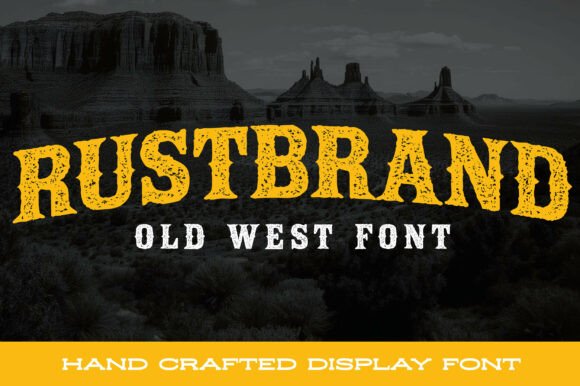
In a digital landscape saturated with clean vectors and polished sans-serifs, there is a distinct strategic advantage in embracing raw texture. Rustbrand is not merely a typeface; it is a visual declaration of grit and history. Designed to mimic the look of wood seared by a hot iron and weathered by decades of dust, Rustbrand features bold, distressed Old West-style characters. Its angular slab serifs and rough-hewn edges carry the unmistakable spirit of frontier signage and cattle brands burned into leather. For designers, marketers, and business owners, understanding how to deploy this specific aesthetic is less about following a trend and more about making a calculated decision to communicate durability, authenticity, and timeless toughness.
The Psychology of the Frontier: Why Texture Matters
When a potential customer views a logo or a poster, they process the visual information faster than they can read the text. This is where the strategic value of Rustbrand becomes apparent. The human brain associates specific textures with specific feelings. Smooth, rounded fonts often suggest modernity, efficiency, and sterility. Conversely, the rugged, scarred, and imperfect letterforms of Rustbrand evoke a sense of history and endurance. This psychological trigger is vital for businesses that want to position themselves as established, reliable, and grounded.
Using Rustbrand is a deliberate move to reject the "brand new" look in favor of the "tried and true" look. It signals to the viewer that the product or service has substance. For a craft brewery, a landscaping company, or a mechanic shop, this font does the heavy lifting of storytelling before a single word is read. It suggests that the brand values hard work and craftsmanship over fleeting trends. However, this psychological impact must be managed carefully; if the brand's actual service is high-tech or minimalist, the disconnect created by using a frontier font could confuse the audience rather than attract them.
Strategic Positioning and Niche Selection
Effective branding is about differentiation. Rustbrand allows entrepreneurs and creators to carve out a specific niche in the market. By utilizing a font that looks like it was seared into wood, you are making a statement about your brand’s personality. This is particularly useful for small business owners and freelancers who need to stand out in crowded local markets.
Consider the decision-making process behind choosing your visual assets. If your goal is to communicate stability and ruggedness, Rustbrand is a logical choice. It works exceptionally well for:
- Outdoor and Adventure Brands: Companies selling camping gear, hiking boots, or off-road vehicles benefit from the font's association with the wild.
- Artisanal and Handmade Goods: Whether it is leatherwork, woodcraft, or specialty coffee, the distressed texture implies that a human hand was involved in the creation.
- Entertainment and Events: Rodeos, country music festivals, and themed restaurants can use Rustbrand to set the atmosphere immediately.
However, strategic positioning requires honesty. If you are a tech startup focusing on clean code and cloud solutions, Rustbrand might send the wrong message. It could imply that your technology is outdated or "rusty" rather than rugged. The decision to use this font should align with your core value proposition. It is a tool for reinforcing a specific identity, not a universal solution for every brand.
Practical Application: Design and Layout
Once the decision to use Rustbrand is made, the focus shifts to execution. A common mistake in design is treating a decorative font like a standard body typeface. Rustbrand is a display font, meaning it is designed to be seen, not necessarily to be read in long paragraphs. Using it for body copy can actually hinder the user experience, causing eye strain and reducing comprehension.
The best approach is to use Rustbrand for high-impact elements: headlines, logos, and call-to-action buttons. Pair it with a clean, legible serif or sans-serif font for the supporting text. This contrast creates a visual hierarchy that guides the reader's eye. The Rustbrand header grabs attention with its bold, distressed texture, while the clean body text provides the necessary information without visual clutter.
Color theory also plays a significant role in how Rustbrand is perceived. When placed against a raw wood grain background or a sepia-toned texture, the font blends seamlessly to create an immersive environment. Alternatively, placing the weathered, dark letters against a stark white background creates a high-contrast, modern-vintage aesthetic that is popular in contemporary poster design. The goal is to ensure that the font enhances the message rather than obscuring it.
Long-Term Value and Brand Consistency
Branding is not a one-time activity; it is a long-term commitment. Adopting a distinctive style like Rustbrand requires a plan for consistency. If you use this font for your logo and signage, you must ensure that the "weathered" theme is carried through to your digital presence, packaging, and customer service interactions. Inconsistency creates confusion. If a customer sees a rugged, dusty brand online but walks into a sterile, clinical environment, the cognitive dissonance can erode trust.
For marketers and content creators, this means developing a style guide that dictates how and when Rustbrand is used. It might be reserved exclusively for seasonal campaigns or specific product lines that emphasize heritage. By restricting its use to specific contexts, you can maintain its impact. Overusing a distressed font can make a brand look messy or unprofessional. Strategic restraint ensures that when Rustbrand appears, it carries the weight and authority of a genuine frontier brand.
Risks and Considerations
While the aesthetic appeal of Rustbrand is strong, there are practical risks to consider. The primary concern is legibility. Highly distressed fonts can sometimes sacrifice clarity for style. If a customer struggles to read your business name or a key slogan, the marketing message fails. It is essential to test the font at various sizes to ensure that the "weathered" details do not merge into an unreadable blob, particularly on mobile devices with smaller screens.
Furthermore, context is king. Using a Wild West font for a serious legal firm or a pediatric clinic would likely be inappropriate and could damage credibility. The decision to use Rustbrand must be grounded in a realistic assessment of your audience's expectations. It is a powerful tool for evoking emotion, but it must be wielded with a clear understanding of the industry norms and the specific goals of the campaign.
Conclusion: Intentional Design for Better Results
Ultimately, Rustbrand is more than just a collection of distressed letters; it is a strategic asset for those looking to communicate strength, history, and authenticity. By approaching its use with intentionality—considering the psychology of the viewer, the specific niche of the business, and the practicalities of design layout—you can harness its power to achieve better results. Whether you are a freelancer looking to define your personal brand or a small business owner aiming to capture the spirit of the West, Rustbrand offers a direct path to a bold, memorable identity. Use it wisely, and let your brand tell a story of resilience and grit.