Strong Editorial Display: Crafting Headlines with Elegance
The Power of a High-Contrast Serif
In the realm of visual communication, the choice of typography is not merely a decorative decision; it is a foundational element of your message's architecture. For projects that demand sophistication, authority, and a touch of luxury, a generic sans-serif often falls short. This is where Strong Editorial Display enters the conversation. It is not just another font; it is a specialized instrument designed for high-impact moments, particularly in editorial and high-fashion contexts. Understanding its unique characteristics can fundamentally change how you approach headline design, brand identity, and visual storytelling.
Deconstructing the Design: High Contrast and Delicate Lines
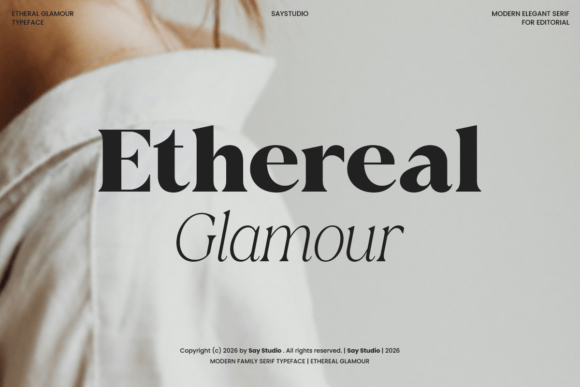
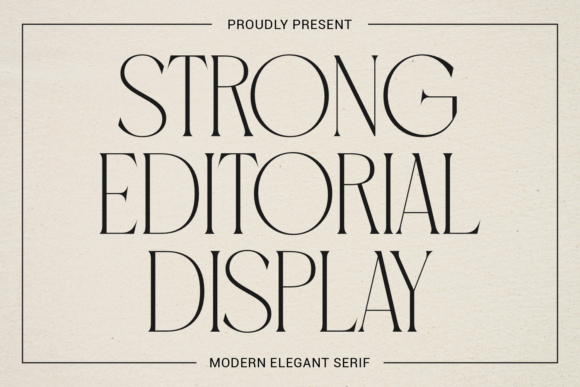
At its core, Strong Editorial Display is a modern serif typeface defined by its very high contrast. This refers to the significant difference in thickness between its thickest strokes and its thinnest hairlines. The thick strokes are bold and commanding, drawing the eye and establishing presence. In stark contrast, the thin lines are incredibly delicate, almost whispering fine. This interplay creates a visual rhythm that is both dynamic and elegant. It's this specific technical trait that gives the font its distinctive voice—simultaneously strong and refined. When used for a headline, it doesn't just present words; it sculpts them into a form that carries inherent meaning and style.
Practical Applications for Professionals and Creators
The true value of any typeface lies in its application. Strong Editorial Display is not a workhorse for body text; its fine lines would be challenging to read in long paragraphs at small sizes. Its strength is its specialization. Consider the designer crafting a luxury magazine spread. Using this font for the main feature headline instantly sets a tone of exclusivity and high aesthetic standards. For a blogger or publisher in the beauty, fashion, or lifestyle space, employing Strong Editorial Display in their blog post titles or social media graphics can elevate their content's perceived value, helping it stand out in a crowded feed. It signals to the reader that careful thought and professional quality have been applied.
Entrepreneurs and small business owners in premium niches—such as boutique hotels, artisanal goods, or high-end services—can leverage this font for key marketing materials. Think of a wedding invitation suite, a product launch announcement, or the hero section of a website. Strong Editorial Display communicates a commitment to quality and attention to detail before a single word of copy is read. It solves the problem of needing to convey luxury and sophistication without resorting to clichéd imagery or exaggerated claims. The font itself does the heavy lifting of brand positioning.
Integrating Strong Editorial Display into Your Workflow
Adopting a new typeface like Strong Editorial Display requires a thoughtful approach to maximize its impact. Its effectiveness is highly dependent on context and pairing. Because it is so distinct, it often works best as a standalone headline or display font, set against a very clean and neutral background. Pairing it with a simple, highly legible sans-serif for subheadings or body copy is a classic and effective strategy. This creates a clear visual hierarchy, allowing the elegance of the serif to command attention without overwhelming the overall design.
- For Editorial Design: Use it for feature story titles, pull quotes, and section headers in digital or print magazines. Its high contrast ensures it reproduces beautifully on high-resolution screens and quality paper stock.
- For Branding: Consider it for logo wordmarks, packaging for luxury goods, or the primary typeface for a brand's digital presence if the brand identity is firmly rooted in modern elegance and editorial style.
- For Social Media: Apply it to Instagram story templates, Pinterest pins, or LinkedIn article banners to create a consistent and professional visual identity that reinforces brand recognition.
Considering the Limitations and Best Fit
It is equally important to recognize where Strong Editorial Display may not be the optimal choice. Its delicate hairlines require careful rendering; on low-resolution screens or in very small print sizes, these details can disappear or cause legibility issues. Therefore, it is not suitable for fine print, lengthy body text, or interfaces where clarity at a glance is paramount, like mobile app navigation. Furthermore, its strong stylistic personality means it may not align with brands or projects that aim for a rustic, handcrafted, playful, or overly casual aesthetic. In such cases, comparing it against other serif options or even a characterful sans-serif would be a more prudent step. The goal is always alignment between the tool and the message.
Achieving Visual Harmony and Impact
The ultimate goal of using a typeface like Strong Editorial Display is to create a harmonious and impactful visual experience. It’s about solving the communication problem of needing to attract a discerning audience. When a viewer sees a headline set in this font, they receive an immediate, subconscious cue about the content's nature and quality. This can save time in the persuasion process, as the initial impression does much of the work. For the creator, it can be a catalyst for creativity, providing a strong stylistic foundation upon which to build a complete design system.
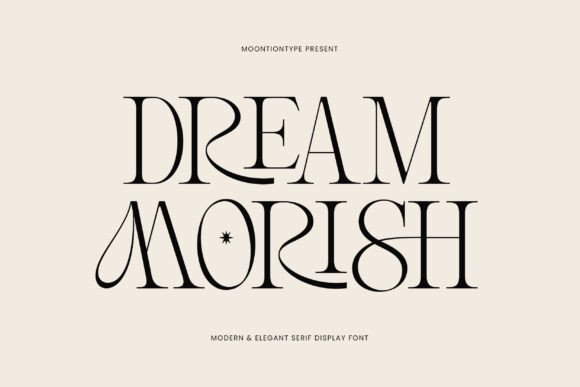
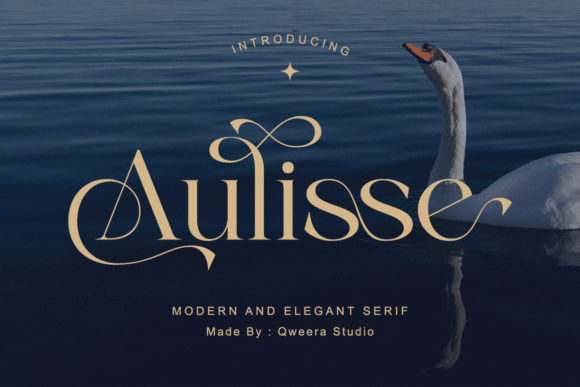
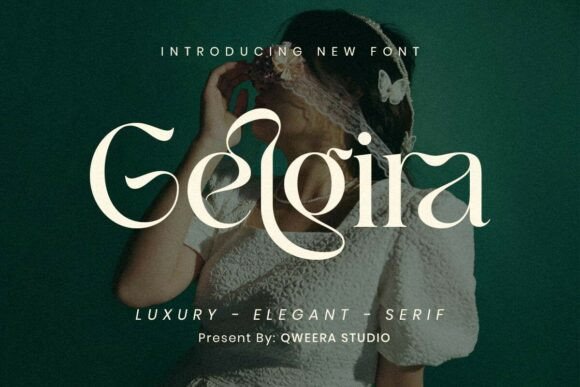
Think of the promotional image often associated with Strong Editorial Display: it typically showcases the font in a stark, sophisticated layout, perhaps with a high-fashion model or abstract luxury object. This isn't just marketing; it's a demonstration of its ideal environment. It shows how the font interacts with space, imagery, and negative space to create a mood. For a marketer or designer, studying such examples provides practical insight into its application. It’s a reminder that typography doesn't exist in isolation. The surrounding white space, the quality of accompanying visuals, and the overall composition are all part of the equation. Using Strong Editorial Display effectively means respecting its nature and placing it within a design context that amplifies its strengths, leading to communication that is not only read but felt.
In summary, Strong Editorial Display is a precision tool. It offers a solution for professionals and creators who need to inject a specific brand of modern elegance and high-fashion credibility into their projects. By understanding its technical design, its ideal use cases, and its limitations, you can make an informed decision about whether it is the right instrument to help you achieve your visual communication goals, strengthen your brand's presentation, and connect with your intended audience on a more sophisticated level.