Understanding Dream Morish: When Artistic Serif Elegance Meets Modern Branding
In the crowded marketplace of typography, choosing the right typeface is often a balancing act between standing out and maintaining credibility. For designers and brand strategists looking for a font that commands attention without sacrificing sophistication, the serif category offers a wealth of options. However, not all serifs are created equal. While some prioritize strict legibility for body text, others, like Dream Morish, are engineered specifically for display purposes, focusing on aesthetic impact and emotional resonance.
Defining the Aesthetic: What Makes Dream Morish Unique?
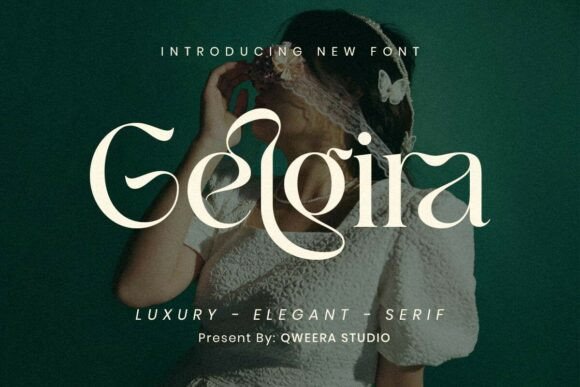
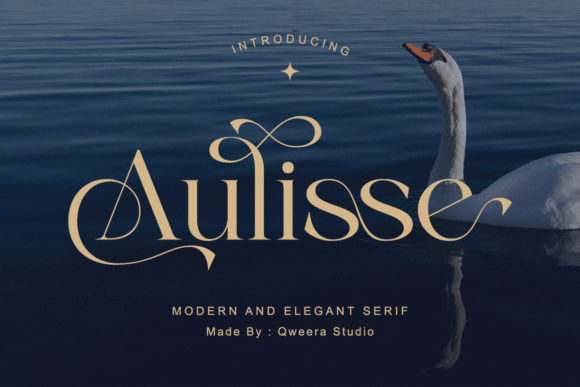
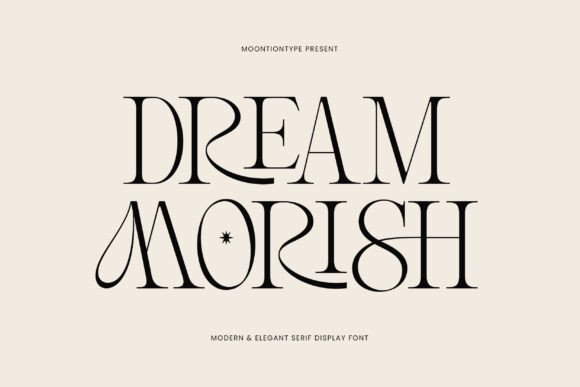
Dream Morish is best described as a modern serif display font with a strong artistic character. It distinguishes itself from traditional serifs through its graceful curves and high-contrast strokes. While classic serif fonts often rely on rigid geometry and predictable structures, Dream Morish introduces unique letterforms that create a "dreamy" and luxurious atmosphere. It is not merely a text font scaled up; it is a decorative tool designed to evoke a specific mood of elegance and artistic flair.
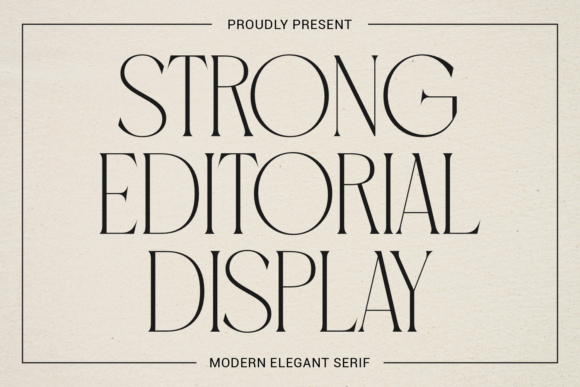
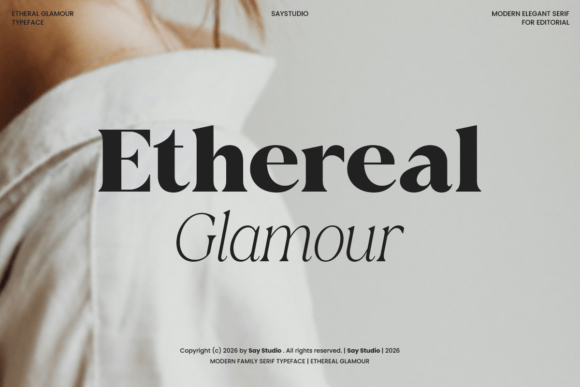
The core distinctiveness of this typeface lies in its ability to blend classic serif elegance with contemporary typography. It retains the authority and tradition associated with serifs but applies a modern, almost editorial polish. This makes it particularly effective for projects where the typography itself acts as a design element rather than just a vessel for information.
Key Characteristics and Design Elements
To evaluate whether Dream Morish fits your project, it is helpful to break down its specific design traits:
- High Contrast Strokes: The difference between the thickest and thinnest parts of the letters is pronounced. This creates a dynamic, energetic rhythm that catches the eye immediately.
- Stylish Ligatures: The font includes custom connections between letters that smooth out the flow of text and add a layer of decorative detail that standard fonts lack.
- Refined Details: The serifs (the small strokes at the end of larger strokes) are delicate and stylized, avoiding the blocky look of industrial or slab serifs.
- Modern Proportions: While it nods to classical calligraphy, the spacing and x-height are adjusted for contemporary screen and print standards, ensuring it doesn't feel archaic.
Practical Applications: Where Dream Morish Shines
When selecting a font, context is everything. Dream Morish is designed as a display typeface, meaning it is intended for use in headlines, logos, and large-scale titling rather than long-form body copy. Its intricate details and high contrast can become difficult to read in small sizes or dense paragraphs. Therefore, its best-fit situations are those where brevity and visual impact are paramount.
Ideal Use Cases
- Logo Design and Branding: For brands in the luxury, beauty, fashion, or lifestyle sectors, Dream Morish offers an immediate sense of quality. It suggests that the brand values aesthetics and attention to detail.
- Wedding Stationery and Event Invitations: The "dreamy" quality of the curves makes it a natural fit for romantic or celebratory contexts. It mimics the elegance of hand-lettering without the inconsistency of actual handwriting.
- Editorial Headers: In magazine layouts or high-end blogs, using Dream Morish for pull quotes or section headers can break the monotony of standard sans-serif layouts.
- Product Packaging: For goods that need to stand out on a shelf—such as perfumes, cosmetics, or artisanal foods—this font provides the necessary shelf appeal.
Comparative Analysis: Dream Morish vs. Other Serif Categories
To make an informed decision, it is useful to compare Dream Morish against other categories of serif fonts available today. Understanding these tradeoffs helps clarify exactly where this font sits in the design ecosystem.
Dream Morish vs. Traditional Old-Style Serifs
Old-style serifs (reminiscent of Garamond or Caslon) are designed for readability in long blocks of text. They have low contrast and bracketed serifs. Tradeoff: While Old-Style fonts are excellent for book body text, they often lack the "wow" factor required for modern branding. Dream Morish sacrifices some of that historical ruggedness for a sharper, more polished, and luxurious look.
Dream Morish vs. Slab Serifs
Slab serifs (like Rockwell) feature thick, block-like serifs and generally uniform stroke widths. They convey strength, stability, and sometimes a retro or industrial vibe. Tradeoff: If a brand wants to appear approachable, sturdy, or masculine, a slab serif might be the better choice. However, if the goal is to appear delicate, artistic, and sophisticated, Dream Morish’s high-contrast, hairline serifs are a superior option.
Dream Morish vs. Minimalist Modern Serifs
Recent trends have seen the rise of "neo-grotesque" serifs that strip away ornamentation for a clean, Scandinavian look. Tradeoff: These minimalist fonts are incredibly versatile but can sometimes feel sterile or generic. Dream Morish offers a solution for designers who find modern minimalism too cold, reintroducing warmth and personality through its artistic curves.
Evaluating Limitations and Decision Factors
No typeface is a universal solution. While Dream Morish excels in creating atmosphere, it has limitations that must be weighed during the selection process.
Legibility at Scale: Because of its high contrast and decorative ligatures, Dream Morish is not suitable for UI buttons, technical manuals, or footnotes. If your primary need is utilitarian text for a website interface, a sans-serif or a standard serif is required.
System Compatibility: As a specialized display font, Dream Morish usually requires licensing and specific implementation (such as @font-face in CSS) rather than being a standard system font. This adds a layer of technical consideration for web developers compared to using pre-installed defaults.
Brand Alignment: The font has a strong personality. If a brand’s identity is based on being "rugged," "playful/childlike," or "hyper-minimalist," the luxurious and artistic nature of Dream Morish might clash with the intended message.
Is Dream Morish the Right Choice for Your Project?
Deciding on Dream Morish ultimately comes down to the specific goals of your design project. It is the right choice when you need a typeface that does more than just label; it needs to set a mood.
Choose Dream Morish if:
- Your project requires a high-end, editorial, or artistic aesthetic.
- You are designing for a luxury market or a romantic context.
- You need a header font that pairs well with a simple sans-serif body text.
- You want to avoid generic fonts while maintaining a sense of tradition.
Consider alternatives if:
- You need a font for long-form reading or small digital interfaces.
- Your brand identity requires a strictly geometric, industrial, or childish tone.
- You require a font family with dozens of weight variations (e.g., Thin to Black) for complex hierarchy systems.
In conclusion, Dream Morish serves a specific niche in typography: it bridges the gap between the timelessness of serifs and the fresh demands of modern visual culture. By focusing on its strengths—stylish ligatures and artistic character—designers can leverage it to create branding and layouts that feel both refined and distinctively memorable.