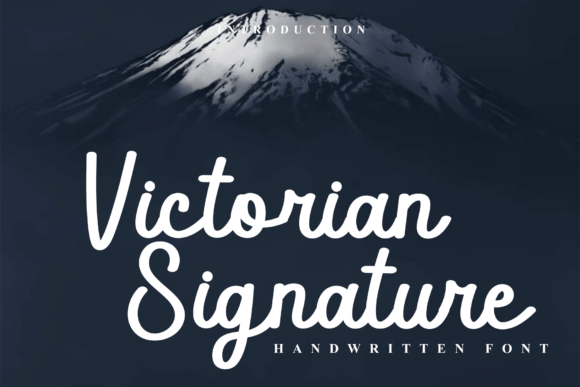
Victorian Signature: Blending Vintage Charm with Modern Design
In the vast world of typography, finding a font that bridges the gap between historical grandeur and contemporary utility can feel like striking gold. The Victorian Signature typeface is exactly that—a sophisticated tool designed for creators who need to evoke a sense of legacy and elegance without sacrificing the legibility required by modern media. It captures the drama of 19th-century calligraphy, specifically the ornate loops and sweeping tails characteristic of the era, but refines them for today’s digital and print environments.
What makes the Victorian Signature font genuinely useful for designers and entrepreneurs is its versatility. It avoids the pitfall of many "vintage" fonts, which can sometimes look cluttered or outdated. Instead, this typeface offers a clean script aesthetic that feels personal and bespoke. Whether you are a wedding planner curating a romantic aesthetic or a small business owner looking to elevate your packaging, this font provides the visual weight of a wax seal with the convenience of a digital file.
Understanding the Anatomy of the Font
At its core, the Victorian Signature is an expressive typeface characterized by its connected strokes and dramatic swoops. It mimics the natural flow of a hand holding a dip pen, where ink flows heavily on the downstrokes and lifts delicately on the upstrokes. This creates a high-contrast look that draws the eye.
One of the most critical features of this font is its PUA (Private Use Areas) encoding. For the non-technical creator, this simply means you have access to the full library of artistic elements without needing expensive design software like Adobe Illustrator. You can access these features through standard character maps on Windows or Mac, making professional-level typography accessible to everyone, regardless of their technical skill level.
- Alternate Characters: Different versions of letters (like 'a', 'g', or 's') allow you to customize the look of repeated words so they don't look identical.
- Swashes and Tails: Extended flourishes that can be added to the beginning or end of a word to heighten the elegance.
- Ligatures: Special connections between specific letter pairs that make the handwriting look more natural and fluid.
Practical Applications for Luxury Branding
For entrepreneurs and marketers, the typography you choose is a silent ambassador for your brand. The Victorian Signature is particularly potent for brands operating in the luxury, artisanal, or lifestyle sectors. Its aesthetic suggests quality, care, and tradition.
Elevating Wedding Invitations and Stationery
The most obvious application is in the wedding industry. However, to use it effectively, one must balance ornamentation with readability. A common mistake is using a script font for large blocks of body text. Instead, use the Victorian Signature for the couple's names and the main headlines of the invitation. Pair it with a clean, wide-spaced serif font for the details (time, location, dress code). This contrast ensures the invitation feels romantic but remains easy to read for guests.
Product Packaging and Signatures
If you sell physical products—such as candles, artisanal foods, or cosmetics—the font can serve as a "signature" on your label. This implies a human touch behind the product. Imagine a coffee bag where the blend name is scrawled in Victorian Signature; it immediately suggests a small-batch, curated experience. Because the font has clean lines, it reproduces well even on smaller labels, provided you ensure adequate spacing.
Digital Branding and Social Media
In the digital space, this font shines as a logo script or a watermark. For bloggers and influencers, using this typeface for your website header can establish a personal brand that feels distinct and authoritative. It works exceptionally well for lifestyle, fashion, or history-themed content creators who want to stand out from the standard sans-serif crowd.
Creative Strategies for Different Audiences
While the font has a specific Victorian style, its application is not limited to historical recreations. Here is how different groups can adapt it for their specific goals:
- For Educators and Publishers: Use the font for chapter titles in historical fiction or educational materials regarding the 19th century. It adds thematic depth without requiring complex graphic design.
- For Graphic Designers: Utilize the alternates to create custom wordmarks. By swapping out standard letters for stylistic alternates, you can ensure that two different clients using the same font end up with distinct logos.
- For Hobbyists and DIY Crafters: The PUA encoding makes this perfect for die-cutting machines (like Cricut or Silhouette). You can write out names for personalized gifts, etching, or scrapbooking with a professional flourish.
Design Best Practices: Clarity and Consistency
When working with an expressive font like Victorian Signature, the goal is to be inspiring, not chaotic. Here are some grounded recommendations to keep your designs effective:
Mind the Spacing: Because the font features connected strokes and swashes, the characters can sometimes appear crowded. When setting your type, pay close attention to "tracking" (the space between letters). Increasing the tracking slightly can help the intricate details of the letters breathe, improving legibility significantly.
Color and Contrast: This font does its best work in high-contrast scenarios. Black text on white or cream paper is timeless. Gold foil on dark navy or emerald green is striking. Avoid using it in low-contrast situations, such as light grey text on a white background, as the thin upstrokes of the script may disappear.
Avoid "Double Script": As a rule of thumb, do not pair the Victorian Signature with another script font. The eye needs a place to rest. Pair it with a sturdy, neutral font family. A geometric sans-serif (for a modern twist) or a classic serif (for a traditional look) will allow the Victorian Signature to remain the star of the show.
Timeless Versatility
The beauty of the Victorian Signature font lies in its ability to transcend trends. While design fads come and go, the elegance of well-crafted script remains constant. By utilizing its full range of glyphs and applying it thoughtfully to your projects, you can add a layer of authentic, sophisticated artistry. It is more than just a font; it is a tool for creating a memorable sign-off that communicates quality and attention to detail.