The Authentic Touch of Candy Fruit: Blending Luxury with Casual Style
In the current digital landscape, the distinction between a brand that connects and one that merely broadcasts often lies in its personality. We are living in an era where consumers, ranging from Gen Z trendsetters to established professionals, crave authenticity. They are tired of the sterile, corporate minimalism that dominated the last decade. Instead, they seek designs that feel human, approachable, and organic. This shift has brought typography to the forefront of design strategy, specifically the resurgence of handwritten and marker-style fonts. Among these, Candy Fruit has emerged as a distinct player, offering a unique aesthetic that bridges the gap between high-end luxury and relaxed, casual energy.
Understanding the "Relaxed Sporty" Aesthetic
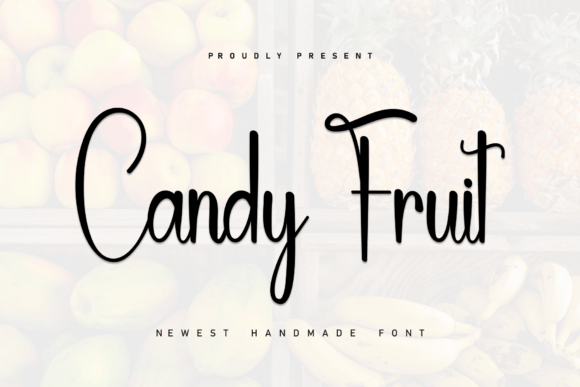
At first glance, describing a font as both "luxurious" and "sporty" might seem contradictory. Luxury has traditionally been associated with sharp serifs, clean sans-serifs, and rigid structures. Sportiness, conversely, implies movement, flexibility, and casual utility. Candy Fruit resolves this paradox through its construction. It is a handwritten font designed to mimic the fluidity of a broad-tipped marker. The strokes have weight and texture, suggesting the hand of a skilled artist rather than a cold algorithm.
This "relaxed sporty" feel is incredibly relevant today because of the massive influence of the athleisure market and lifestyle branding. We no longer dress strictly for the office or strictly for the gym; our lives blend these spheres. Consequently, our visual language must adapt. A design utilizing Candy Fruit signals that a brand is confident enough to be casual but serious enough to care about aesthetics. It suggests a lifestyle that is active and vibrant, yet curated and stylish.
The Evolution of Typography in Modern Branding
To appreciate the utility of a font like Candy Fruit, it helps to understand how typography trends have evolved. In the early 2010s, the "hipster" revival brought back vintage scripts and beards. That was followed by the ultra-clean, geometric sans-serif era driven by tech giants. Now, we are seeing a pendulum swing back toward warmth, but with a modern twist. The current trend is not about retro nostalgia; it is about human imperfection.
Brands are realizing that perfect vector curves can feel cold. A marker font introduces texture and "grain" into a digital space. This evolution is driven by the need for differentiation. When every Instagram feed uses the same three Google Fonts, a textured, handwritten style like Candy Fruit breaks the visual monotony. It catches the eye because it feels tactile—like ink on paper in a world of pixels.
The Psychology of the Marker Stroke
Why does a marker style specifically work so well? Psychologically, markers are associated with creativity, brainstorming, and decisive action. Think of a coach drawing up a play on a whiteboard or an artist sketching a masterpiece. The medium implies confidence. Because Candy Fruit looks drawn with a marker, it inherits these associations. It tells the viewer that the content is creative, energetic, and direct. This is particularly effective for marketing promotions where you need to grab attention quickly without sounding aggressive.
Practical Applications: From Wedding Vows to Streetwear
The versatility of Candy Fruit is one of its strongest assets. It manages to be elegant enough for formal occasions yet bold enough for commercial use. This duality makes it a practical tool for a wide variety of creators and business owners.
Elevating Wedding Supplies and Stationery
The wedding industry is constantly searching for the "perfect" script that feels personal but legible. Traditional calligraphy can sometimes feel stiff or overly formal. Candy Fruit offers a modern alternative for couples looking for a relaxed, celebratory vibe. It is perfect for save-the-date cards, menu designs, and photo booth props. The font captures the joy of the event—luxurious enough for a high-end reception, but casual enough for a barn wedding or a beach ceremony.
Fashion and Lookbooks
For fashion brands, particularly those in the streetwear, activewear, or "coastal grandmother" niches, typography sets the tone of the collection. A font like Candy Fruit works exceptionally well on lookbooks and lookbook websites. It adds a layer of editorial cool. When overlaid on photos of models, it doesn't compete with the clothing but rather complements the "lived-in" feel of the fabric. It suggests that the brand is approachable and understands current trends.
Branding and Logo Design
Creating a logo with Candy Fruit is a strategic choice for businesses that want to appear customer-centric. It is highly suitable for boutique coffee shops, yoga studios, lifestyle blogs, and artisanal food products. The font acts as a handshake—it invites the customer in. However, it is important to note that while it works for logos, it is best used for brands that prioritize personality over corporate austerity. A law firm might want to avoid it, but a creative agency or a boutique fitness center would find it aligns perfectly with their values.
Integrating Candy Fruit into Modern Workflows
For graphic designers, freelancers, and marketers, efficiency is key. One of the practical advantages of a font like Candy Fruit is its ability to instantly establish a mood without requiring extensive design elements. If you are creating a social media post for a flash sale, using this font can convey urgency and excitement without needing complex illustrations.
Furthermore, in the realm of digital products and education, the "handwritten" look helps to humanize information. Educators creating course materials or PDF guides can use Candy Fruit for headers to make the content feel less like a textbook and more like a personalized note from a mentor. This aligns with the modern pedagogical shift toward accessibility and relatability.
Balancing Legibility with Style
When incorporating Candy Fruit into your workflow, it is crucial to consider hierarchy. Because it is a display font with a strong personality, it is best used for headlines, sub-headers, and call-outs. Using it for long blocks of body text would likely reduce readability. The best practice is to pair it with a clean, neutral sans-serif for the body copy. This contrast allows the marker font to shine without overwhelming the reader, ensuring the design remains functional as well as beautiful.
The Future of Personal Touch in Design
As we look forward, the demand for "human" design elements will likely grow. While AI-generated art and automated layouts are becoming more common, they often lack the subtle imperfections that signal authenticity. Fonts like Candy Fruit provide a shortcut to that authenticity. They allow creators to inject a sense of hand-crafted care into their work, even when working on tight deadlines or limited budgets.
We are seeing a shift in user expectations; audiences are becoming adept at spotting generic templates. They want to feel that a real person is behind the brand they are supporting. By utilizing a typeface that mimics the natural variance of a marker, businesses can foster a stronger emotional connection with their audience. It is a subtle cue that says, "We are real people, and we are excited to talk to you."
Conclusion: A Tool for the Modern Creator
Ultimately, Candy Fruit is more than just a collection of glyphs; it is a design solution for the modern age. It answers the need for versatility, allowing a single typeface to function across wedding invitations, high-fashion lookbooks, and energetic marketing campaigns. Its relaxed yet sporty vibe captures the current zeitgeist of blending comfort with style.
For the entrepreneur, the freelancer, or the hobbyist, adopting Candy Fruit means choosing a voice that is confident, approachable, and stylish. It proves that you do not have to choose between being elegant and being casual—you can be both, and you can do it with flair. As you refine your visual identity, consider how the right typography can transform your message from mere text into a memorable experience. With its distinctive marker aesthetic, this font offers a pathway to designs that feel truly alive.