Evaluating Wildflower: A Calligraphy Font for Elegant and Romantic Design
Understanding the Essence of the Wildflower Typeface
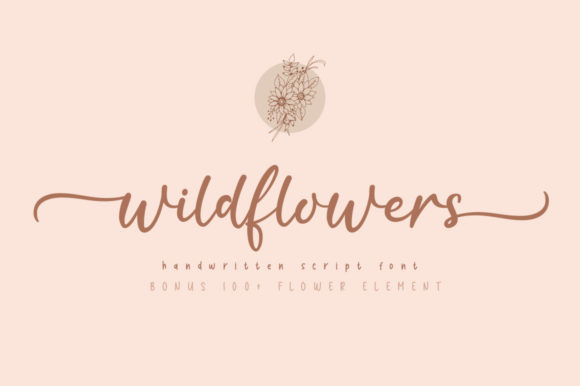
In the crowded world of typography, finding a script font that balances legibility with artistic flair can be a challenge. The Wildflower typeface distinguishes itself as a romantic and sweet calligraphy option, characterized by characters that seem to dance gracefully along the baseline. Unlike rigid, traditional serif fonts or overly casual handwriting styles, Wildflower occupies a specific aesthetic niche: it projects luxury and warmth without becoming illegible. For designers and content creators, this font represents a tool meant to inject a sense of softness and high-end appeal into visual communications. However, understanding where it fits into a broader design toolkit requires a closer look at its structure, utility, and specific use cases.
The primary appeal of Wildflower lies in its fluidity. The strokes are designed to mimic natural brush or pen movements, creating a rhythm that guides the viewer's eye. This makes it particularly effective for projects where the tone is celebratory, intimate, or aspirational. It is not merely a set of letters; it is a stylistic choice that signals a specific kind of emotional resonance. When evaluating Wildflower, it is essential to move past the initial visual appeal and consider the technical aspects that make it a practical choice for professional work.
The Practical Advantage of PUA Encoding and Glyph Access
One of the most significant technical features of Wildflower is its PUA (Private Use Areas) encoding. For designers who are not deeply entrenched in the technicalities of font engineering, this feature is a major differentiator. In many standard calligraphy fonts, accessing special characters—such as stylistic alternates, swashes, or specific ligatures—requires advanced design software that can read OpenType features. If the software does not support these features, those beautiful extra characters remain locked away.
Wildflower’s PUA encoding solves this accessibility issue. It means that all the amazing glyphs and ligatures included in the font file can be accessed with ease, even in basic text editors or web platforms that lack advanced OpenType support. For a user comparing options, this is a practical trade-off worth considering. While some modern variable fonts offer dynamic adaptability, they often require specific technical environments. Wildflower offers a more "plug-and-play" versatility. If you are working across multiple platforms—perhaps designing a logo in professional software but needing to match it with text in a simple web builder—this encoding ensures consistency and access to the full character set.
Comparing Wildflower to Other Script Categories
When categorizing Wildflower, it sits distinctly within the modern calligraphy or script family. However, not all scripts are created equal. It is helpful to compare Wildflower against two other broad categories: traditional calligraphy and casual handwriting.
- Traditional Calligraphy: Fonts in this category often adhere strictly to historical penmanship rules (like Copperplate or Spencerian). They can feel formal and sometimes rigid. Wildflower, by contrast, offers a more relaxed interpretation. It takes the elegance of traditional scripts but loosens the structure, making it feel more contemporary and approachable.
- Casual Handwriting: These fonts mimic quick, informal notes. They are excellent for personal blogs or friendly correspondence but often lack the "luxury spark" required for high-end branding. Wildflower elevates the concept of handwriting by refining the strokes and adding flourishes that casual fonts typically ignore.
Therefore, if your project requires a balance between formal elegance and personal touch, Wildflower serves as a middle ground. It avoids the stuffiness of formal invitations while steering clear of the sloppiness that can sometimes accompany casual scripts.
Best-Fit Situations: Where Wildflower Shines
Determining the "right" font is always context-dependent. Wildflower is particularly well-suited for specific scenarios where its unique characteristics can be fully appreciated.
Wedding and Event Stationery
The most natural application for a font described as "romantic and sweet" is wedding stationery. Save-the-dates, invitations, and table numbers often require a typeface that feels personal yet sophisticated. Wildflower’s dancing baseline adds a dynamic movement to static text, which helps in creating an inviting atmosphere. For designers evaluating resources for event planning, this font reduces the need for extensive custom hand-lettering while still delivering a bespoke look.
Branding for Lifestyle and Beauty
Small businesses in the beauty, cosmetics, or lifestyle sectors often seek fonts that convey softness and care. A skincare line, a boutique bakery, or a photography studio could utilize Wildflower for their logos or packaging. The "luxury spark" mentioned in its description makes it a contender for brands that want to appear premium but accessible. It signals quality without the coldness that some geometric sans-serifs can project.
Social Media Graphics
In the fast-paced environment of social media, visual distinctiveness is key. Wildflower can be used for quotes, headers, or promotional graphics to stand out in a feed dominated by standard sans-serifs. Because of its PUA encoding, social media managers can easily access special swashes to create unique compositions without needing to hire a specialist typographer for every post.
Tradeoffs and Limitations to Consider
No typeface is perfect for every situation, and a balanced evaluation of Wildflower must acknowledge its limitations. The very features that make it beautiful—the dancing baseline and the flowing ligatures—can become liabilities in certain contexts.
Legibility at Small Sizes
Like many calligraphy fonts, Wildflower relies on varying stroke widths and intricate details. When scaled down to very small sizes, such as in fine print or dense body text, these details can merge or become difficult to read. It is generally not recommended to use Wildflower for long paragraphs or legal disclaimers. For those purposes, a clean sans-serif or a highly readable serif font is a more practical alternative.
Complex Pairing Requirements
Finding the right companion font for Wildflower requires careful consideration. Because it has a strong personality, pairing it with another decorative font can result in visual chaos. It typically requires a neutral, understated partner—such as a light sans-serif or a simple serif—to provide contrast and hierarchy. If a user is looking for a font that pairs easily with anything, a more neutral script might be a safer, albeit less exciting, choice.
Language Support
While PUA encoding allows for access to many glyphs, users should verify the specific language support for their project. If a design requires extensive non-Latin characters or specific diacritics not included in the Wildflower package, an alternative with broader linguistic coverage would be necessary.
Making the Decision: Is Wildflower the Right Choice?
Choosing a typeface is an act of curation. To decide if Wildflower fits your project, consider the emotional tone you wish to strike. If the goal is to convey warmth, romance, and a touch of luxury, Wildflower is a strong candidate. Its technical accessibility via PUA encoding makes it a practical option for designers of all skill levels, removing barriers to accessing its full stylistic potential.
However, if your project demands high-density information delivery, strict corporate formality, or extreme minimalism, you may need to look elsewhere. The "dancing" nature of the font is its strength in creative contexts but a weakness in utilitarian ones.
Ultimately, Wildflower is a specialized tool. It is not designed to be the workhorse of a design system but rather the accent that draws the eye. By evaluating your specific needs for legibility, tone, and technical compatibility, you can determine if the romantic, sweet aesthetic of Wildflower aligns with your vision. For those seeking to add a spark of elegance to invitations, branding, or digital content, it offers a compelling and accessible solution.