Integrating the Snowvintage Font into Your Creative Workflow
In the landscape of digital design, typography is often the silent workhorse that determines the final impact of a project. While sans-serifs offer clean utility and serifs provide formal structure, the handwritten script occupies a unique space of emotional resonance. Snowvintage represents a specific evolution of this category: a contemporary handwritten script that balances the imperfections of human touch with the precision required for modern production. It is not merely a collection of letters; it is a design asset engineered to bridge classic charm with modern sophistication.
For professionals ranging from graphic designers to small business owners, the challenge lies not just in selecting a beautiful font, but in implementing it effectively within a broader production workflow. This guide explores the practical application of Snowvintage, detailing how to integrate this typeface into various stages of the creative process to ensure your work stands out with warmth, character, and lasting appeal.
Understanding the Aesthetic: Where Snowvintage Fits
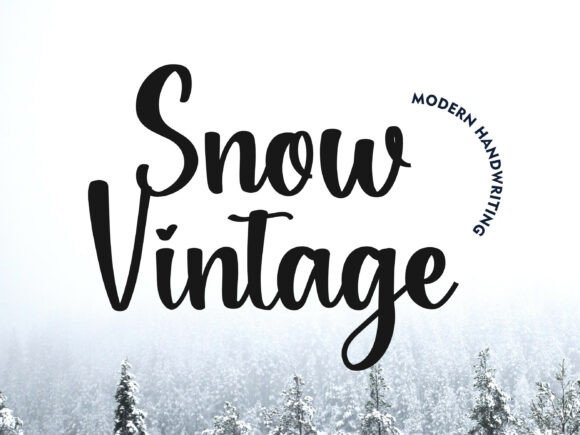
Before implementation, it is crucial to understand the specific aesthetic niche Snowvintage occupies. It is categorized as a vintage-inspired script, yet it possesses a contemporary clarity that prevents it from looking dated or illegible. This duality makes it a versatile tool for projects that require a "human" element without sacrificing professionalism.
In a typical design hierarchy, you might use a bold sans-serif for headlines, a serif for body copy, and an accent font for callouts or logos. Snowvintage is best utilized as that accent element. Its strength lies in its expressive nature. When you need to convey nostalgia, warmth, handcrafted quality, or intimacy, this font serves as the visual voice. It is particularly effective in industries such as wedding stationery, artisanal product labeling, lifestyle blogging, and boutique branding where the "look and feel" is as important as the information being conveyed.
Phase 1: Pre-Production and Asset Preparation
Integrating a new typeface into your workflow begins long before you open your primary design software. Proper preparation ensures that the font enhances, rather than hinders, your production speed.
1. Font Management and Installation
Efficiency starts with organization. When you acquire Snowvintage, do not simply drag and drop files onto your desktop. Use a dedicated font management tool (such as Suitcase Fusion, FontBase, or your operating system’s native font manager). This allows you to activate the font only when needed, preventing system bloat and potential software conflicts.
- File Organization: Create a specific folder for "Script Fonts" or "Project Assets" to store the Snowvintage files (typically .OTF or .TTF). This ensures you can locate the license files and alternate glyphs later.
- Compatibility Check: Verify that the font renders correctly in your primary software (Adobe Illustrator, Photoshop, Canva, or Figma) before starting a project. This prevents mid-project technical hurdles.
2. Licensing and Scope
For entrepreneurs and freelancers, understanding the usage rights is a critical part of the planning phase. Determine if your license covers the specific output you need—whether it is for digital social media posts, physical merchandise (print-on-demand), or a logo for a client. Clarifying this at the start prevents legal issues later in the workflow.
Phase 2: Design Execution and Workflow Integration
Once the asset is prepared, the next step is active design. This is where the "expressive" nature of Snowvintage interacts with your layout logic.
Contextual Pairing
A script font rarely works well in isolation. The practical implementation of Snowvintage requires a strong pairing strategy. Because Snowvintage is highly decorative, it demands a neutral partner to maintain readability.
- The Contrast Rule: Pair Snowvintage with a clean, geometric sans-serif (like Montserrat or Open Sans). Use the sans-serif for dates, locations, or body text, and reserve Snowvintage for the main headline or the "hero" text.
- Spacing and Kerning: Handwritten scripts often have unique spacing requirements. In your design software, pay close attention to the tracking (letter-spacing). While Snowvintage is crafted with high-quality kerning, you may need to manually adjust the spacing between specific letter pairs to maintain a natural flow, especially in large display sizes.
Utilizing OpenType Features
Modern fonts like Snowvintage often come equipped with OpenType features, including stylistic alternates and swashes. These are essential for avoiding the "cookie-cutter" look where every 'e' or 't' looks identical.
Practical Tip: When typing a headline, go back and manually swap out key letters for their alternate versions. This mimics the variability of real handwriting and elevates the quality of the design from "template-based" to "custom-crafted."
Phase 3: Application Across Platforms
The utility of Snowvintage extends beyond static images. Its integration into different mediums requires specific adjustments to ensure the "timeless allure" remains intact.
Digital Implementation (Web and Email)
If you plan to use Snowvintage on a website, performance is key. While web fonts are standard, script fonts can be heavy.
- Load Time: If converting Snowvintage for web use, ensure you are using WOFF2 compression. However, for a single accent font, it is often more efficient to convert the specific headlines into SVGs or PNGs. This ensures the font renders perfectly on all devices without adding extra HTTP requests that slow down the site.
- Mobile Responsiveness: Scripts can be difficult to read on small screens. Use Snowvintage sparingly on mobile views. Consider using it only for the main logo or the primary H1 header on mobile, switching to a cleaner font for subheadings to maintain usability.
Physical Production (Merchandise and Print)
For small business owners creating merchandise (mugs, tote bags, t-shirts), Snowvintage is a powerful asset. However, the production process requires attention to detail.
- Vector Conversion: Always convert text to outlines (vector paths) before sending the file to a print vendor. This ensures that the printer does not substitute your carefully chosen Snowvintage font with a default system font if they don't have the file installed.
- Intricacy Check: Vintage-inspired fonts often have fine strokes. If you are screen printing on a textured fabric (like canvas), ensure the font size is large enough that the thin strokes of the letters don't break up or disappear during the ink transfer process.
Phase 4: Consistency and Brand Governance
For those building a brand identity, consistency is the bedrock of trust. Using Snowvintage effectively means creating rules for its usage and sticking to them.
Creating a Typographic System
Document how Snowvintage is used in your brand style guide. Do not leave it to chance.
- Usage Hierarchy: Define exactly where Snowvintage appears. For example: "Snowvintage is used exclusively for the Brand Logo and the title of the monthly Newsletter. It is never used for body copy or user interface buttons."
- Color and Texture: Decide if Snowvintage looks best in solid black, a vintage cream, or a textured overlay. Consistency in these details reinforces the "nostalgic elegance" described in the font's design philosophy.
Phase 5: Long-Term Usability and Evolution
Design trends shift, but a well-chosen typeface endures. Snowvintage, with its blend of modern design sensibilities and vintage artistry, is designed to be a long-term asset.
Scalability
One of the benefits of a high-quality font is scalability. You can use Snowvintage for a tiny icon on a business card or a massive banner at a trade show. To ensure long-term quality, always keep the original vector files. Never flatten your master design files; keep the text editable (or at least keep a backup with live text) so you can update the content years later without having to recreate the design from scratch.
Refreshing the Look
If your brand identity begins to feel stale, you don't always need a total rebrand. Sometimes, simply changing how you use your existing assets is enough. If you have been using Snowvintage in a dark, muted color palette, try applying it in a bright, high-contrast context. The font's inherent versatility allows it to adapt to new visual trends while maintaining the core personality of the brand.
Conclusion
Snowvintage is more than just a download; it is a workflow component. By treating it with the same strategic rigor you apply to color theory or layout grids, you transform it from a simple typeface into a storytelling tool. Whether you are crafting a wedding invitation, designing a logo for a startup, or laying out a blog post, the key is to respect the font's personality while enforcing strict production standards. Through careful preparation, consistent application, and thoughtful pairing, Snowvintage helps you deliver work that is not only visually appealing but professionally executed.